
The Lemon Drizzle Cake is a masterpiece of British baking, celebrated for its incredibly moist crumb and sharp, sugary crust. This iconic loaf cake delivers a punch of citrus sunshine in every buttery slice.
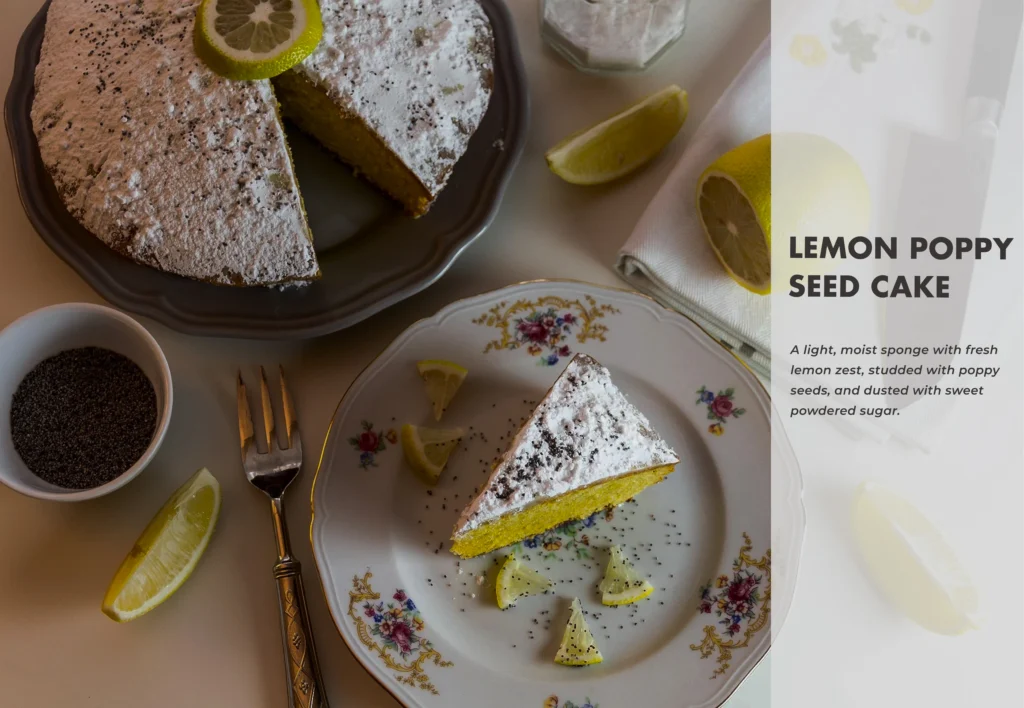
Zesty Lemon Sugar Drizzle
The Golden Treacle Dessert is a masterclass in balancing humble pantry staples to create a sophisticated, nostalgic treat. This recipe transforms the deep, buttery sweetness of Golden Syrup into a molten amber filling by binding it with fresh white breadcrumbs. Unlike heavier desserts, the addition of a Zesty Lemon Sugar Drizzle is what truly defines this version. By pouring a mixture of granulated sugar and fresh lemon juice over the tart while it is still warm, you create a dual-layered effect: the juice seeps into the filling to cut the sugar’s richness, while the crystals stay on the surface to form a signature “crunchy” crust.
The contrast between the shattering shortcrust pastry and the chewy, citrus-infused center makes every bite multidimensional. It is essentially a cross between a traditional Treacle Tart and the bright, soaking technique used in a Lemon Drizzle Cake. This fusion ensures that the dessert is never cloyingly sweet, but rather a bright and aromatic experience. Whether served as a centerpiece for afternoon tea or a warm evening comfort, this recipe elevates a British classic into something remarkably vibrant and textured.Try our other classic London Dessert Recipes like the traditional Eton Mess for a comforting British treat
About me
Based in London, Taha is a professional recipe developer and food photographer. Since launching TahaCooks in 2025, he has shared his decade of culinary expertise to help home cooks master gourmet flavors. Every recipe on the site is triple-tested and designed to bring restaurant-quality results to the everyday kitchen.
Bright & Moist Citrus Cake
A Bright, Moist Citrus Cake is the ultimate antidote to heavy, dry sponges. The secret to its legendary texture lies in the “hot soak” method, borrowed from the classic Lemon Drizzle. While the cake is essentially a high-quality butter sponge, its character is defined by a heavy infusion of fresh citrus oils and juice. By using a combination of lemon, lime, and orange, you achieve a “technicolor” flavor profile that is far more complex than a standard single-fruit cake.
The Science of the Crumb
To ensure the cake remains incredibly moist without becoming gummy, the recipe relies on:
- Creaming Technique: Beating room-temperature butter and sugar until pale and aerated creates the tiny air pockets needed to hold the citrus syrup.
- The Double Citrus Hit: Zest is rubbed into the sugar before mixing to release essential oils, while the juice is reserved for a post-bake drenching.
- The Syrup Soak: Pricking the hot cake with a skewer allows a sharp citrus syrup to travel to the very center, effectively “locking in” moisture for days.
Texture and Finish
The result is a cake that feels surprisingly light on the palate despite its density. The exterior develops a delicate, crystalline sugar crust from the drizzle, providing a satisfying snap that gives way to a soft, almost velvety interior. It is a bright, sun-kissed dessert that manages to be both refreshing and deeply indulgent, perfect for a high-tea centerpiece or a zesty palate cleanser after a rich meal.
Achieving the Soft Crumb
The hallmark of this recipe is a tender, pillowy interior that melts in the mouth. Achieving this “soft crumb” requires a gentle touch and specific chemistry:
- The Creaming Method: Ensure your butter and sugar are beaten for at least 3–5 minutes. This creates a stable network of air bubbles that allows the cake to rise without becoming tough.
- Don’t Overmix: Once you add the flour, fold it in by hand or on the lowest mixer setting. Overworking the batter develops gluten, which turns a “soft crumb” into a “bread-like” texture.
- Room Temperature Ingredients: Cold eggs can curdle the butter mixture, leading to an uneven, dense crumb. Ensure everything is at a consistent room temperature for a silky emulsion.
- The Syrup Insulation: The lemon drizzle doesn’t just add flavor; the sugar syrup acts as a humectant, trapping moisture inside the crumb and keeping the cake soft for days after baking.
Classic Zesty Lemon Drizzle Cake
Equipment
- 1 2lb Loaf Tin Or an 8-inch (20cm) round cake tin; grease and line with parchment.
- 1 Large Mixing Bowl For creaming the butter and sugar and folding in the flour.
- 1 Electric Hand Mixer Essential for achieving that light, aerated "soft crumb" texture.
- 1 Silicone Spatula Perfect for folding in flour gently and scraping the bowl clean.
- 1 Microplane / Fine Zester To get fine zest without the bitter white pith.
- 1 Citrus Juicer To extract every drop of juice for the "hot soak" drizzle.
- 1 Skewer or Toothpick To prick the cake all over so the drizzle penetrates to the center.
- 1 Wire Cooling Rack Allows air to circulate so the bottom doesn't get soggy while cooling.
Ingredients
For the Sponge
- 225 g Unsalted Butter Softened to room temperature.
- 225 g Caster Sugar Also known as superfine sugar; helps with a light crumb.
- 4 Large Eggs Room temperature to prevent the batter from curdling.
- 225 g Self-Raising Flour Sifted to ensure there are no lumps.
- 2 Large Lemons Zest only (save the juice for the drizzle).
- 1 pinch Salt Enhances the citrus and buttery notes.
For the Drizzle
Instructions
1. Cream the Base
- Preheat: Set your oven to 180°C (350°F).
- Mix: In a large bowl, beat the softened butter and caster sugar together with the lemon zest. Use an electric mixer for 3–5 minutes until the mixture is pale, fluffy, and significantly increased in volume.
2. Add Eggs and Flour
- Emulsify:Add the eggs one at a time, beating well after each addition. If the mixture starts to curdle, add a tablespoon of your weighed flour.
- Fold:Gently sift in the self-raising flour and salt. Use a spatula to fold it in by hand using a figure-eight motion. Stop as soon as the flour disappears to keep the crumb soft and airy.
3. The First Bake
- Transfer: Pour the batter into your lined loaf tin and smooth the top.
- Bake:Place in the center of the oven for 45–50 minutes. The cake is done when a skewer inserted into the middle comes out clean and the top springs back when lightly pressed.
4. The "Hot Soak" Drizzle
- Prep Drizzle: While the cake bakes, mix the granulated sugar and lemon juice in a small bowl. Stir just enough to combine; the sugar should remain grainy.
- Prick: As soon as the cake comes out of the oven (while still in the tin), use a skewer to prick holes all over the surface, reaching deep into the sponge.
- Pour: Slowly spoon the drizzle over the hot cake. The juice will soak into the holes, while the sugar forms a crunchy crust on top.
5. Cool and Set
- Rest: Leave the cake in the tin until it is completely cool. This is vital; removing it too early will cause the syrup-soaked sponge to break.
- Serve: Once cool, lift out of the tin and slice.
Notes
Serving & Presentation
The Look- Crystalline Crust: Let the drizzle set completely until it forms a white, crackly top.
- Garnish: Add thin lemon zest curls or a few fresh raspberries for a vibrant color contrast.
- The Slice: Use a serrated knife to cut through the sugar crust without squashing the soft sponge.
- Pairings: Serve as-is for tea, or add a dollop of Greek yogurt or clotted cream to balance the sweetness.
- Temperature: Serve at room temperature. Never microwave, or the signature crunchy sugar topping will melt into the cake!
Explore More
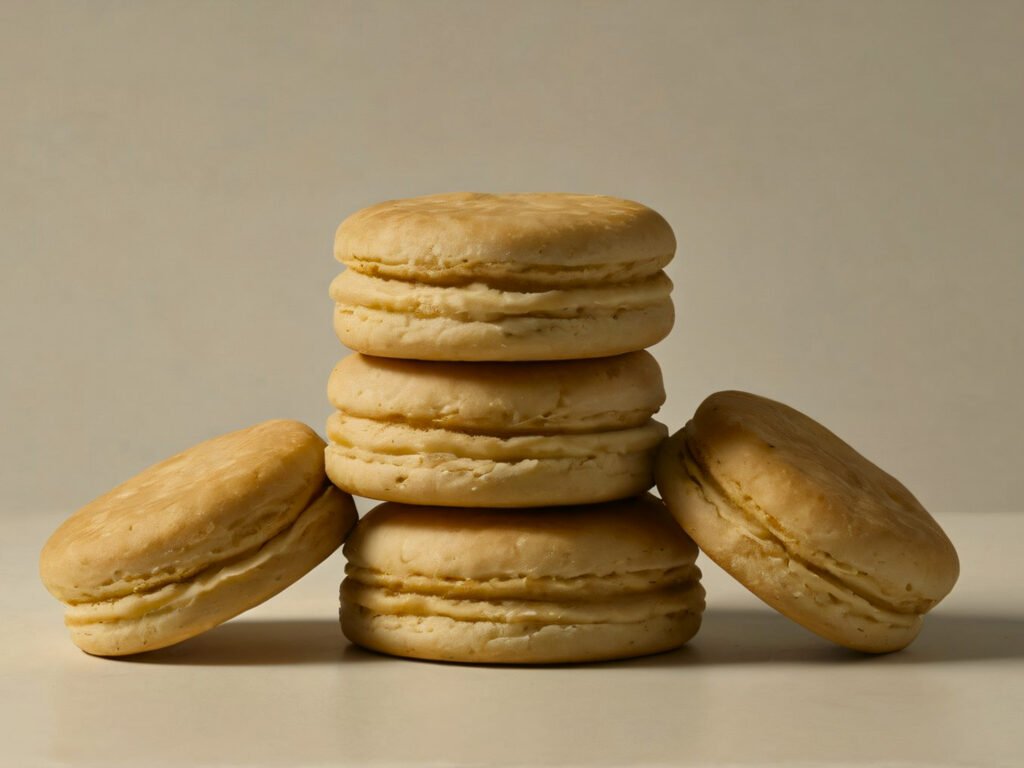
Almond & Honey Macarons: A Taste of Golden Sweetness
Some flavors just belong together…
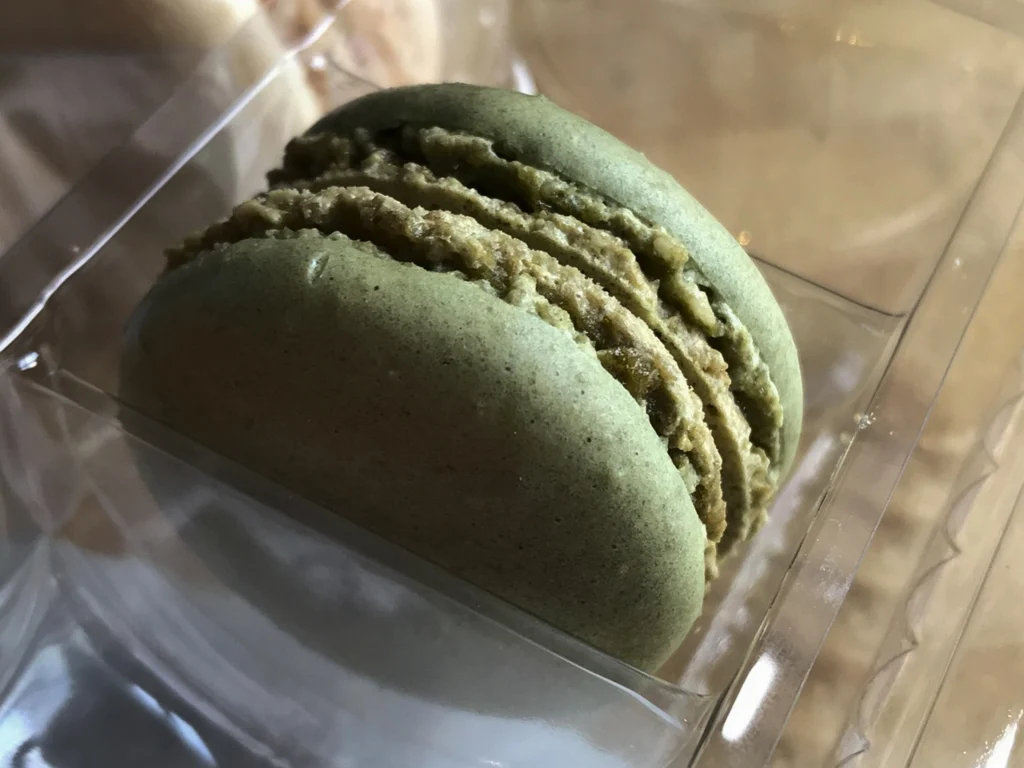
Pistachio & White Chocolate Macaron
This post may contain affiliate…
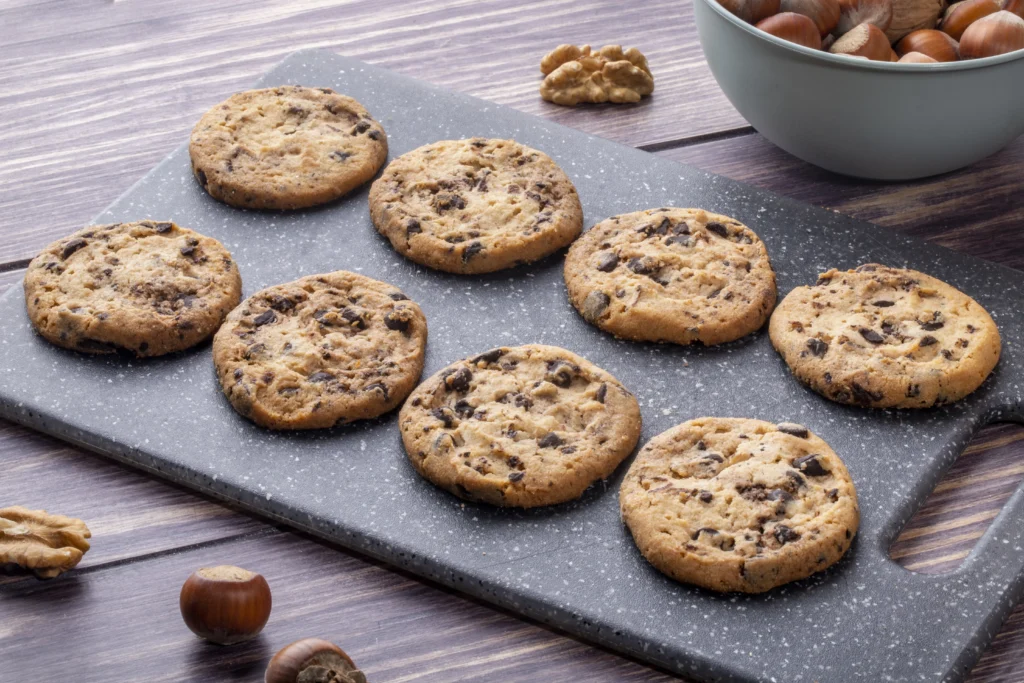
Chocolate Chip Cookies with Brown Butter
This Chocolate Chip Cookie is…
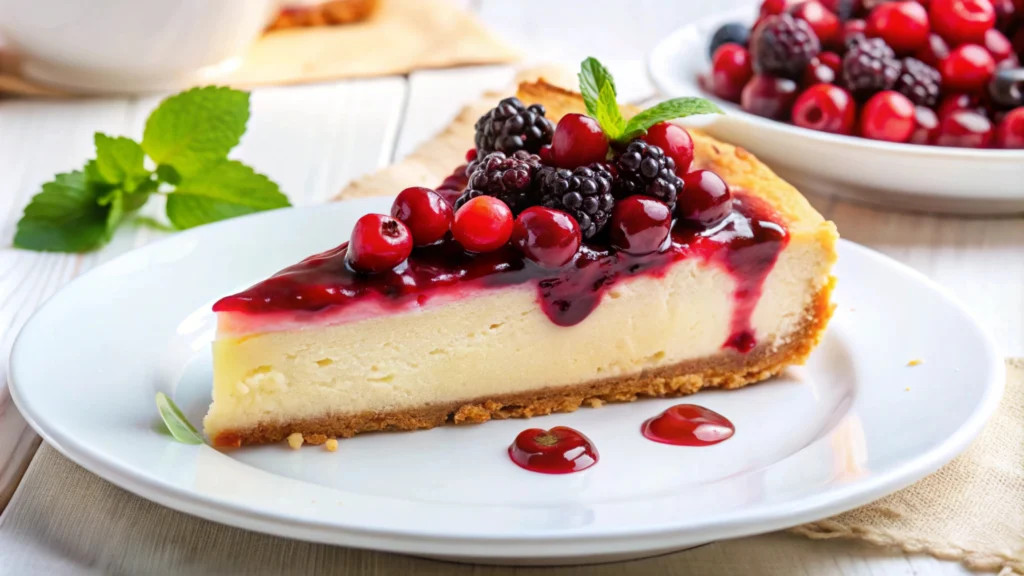
Vanilla Bean Cheesecake with Raspberry Coulis
This baked cheesecake celebrates the…
FAQS
Why did my sugar drizzle dissolve instead of staying crunchy?
This happens if the lemon juice to sugar ratio is too high, or if you stir the drizzle until the sugar dissolves. For that signature “crunch,” keep the mixture slushy and grainy when pouring.
Why is my cake dry despite the drizzle?
You likely overbaked the sponge or didn’t prick enough holes. Ensure you use a skewer to poke holes right to the bottom so the syrup can travel through the entire cake.
My cake sank in the middle—what happened?
This usually occurs if the oven door was opened too early or if there was too much leavening agent. Ensure you are using the exact amount of self-raising flour and that your oven is fully preheated.
How do I stop the cake from sticking to the tin?
Always line your tin with parchment paper. Because the drizzle is high in sugar, it can act like glue if it seeps down the sides of the tin, making the cake difficult to remove once cooled.