
The Greek Salad (Horiatiki) is a masterpiece of universal culinary heritage, celebrated from the sun-drenched islands of the Aegean to the modern gastro-cafés of London, New York, and Dubai. Every bite offers a different journey: the crisp, cooling “snap” of Persian cucumbers, the salty, cream-like crumble of premium feta, and the sun-ripened sweetness of vine-grown tomatoes.

Bright & Zesty
The Zesty Greek Salad is a vibrant tribute to Mediterranean simplicity, where the quality of raw ingredients does all the heavy lifting. By moving away from leafy fillers, this salad focuses on the crisp snap of cucumbers and the succulent burst of vine-ripened tomatoes. The “Zest” comes from a punchy dressing of red wine vinegar and peppery olive oil, which acts as a flavor conductor, amplifying the natural sugars of the vegetables.
What makes this dish Hearty is the iconic slab of feta cheese. Unlike crumbled cheese that disappears into the bowl, a thick slice of feta provides a creamy, salty anchor to the bright acidity of the Kalamata olives and red onions. As the salad rests, the vegetables release their juices, mixing with the oregano and oil to create a savory “sauce” at the bottom of the bowl.For a hearty lunch pairing, try our Caesar Salad with Crispy Chicken
This is a dish of high-contrast textures—the crunch of the onion against the silkiness of the olives and the softness of the feta. It is a refreshing, nutrient-dense meal that captures the essence of coastal dining. Simple to prepare yet bold in impact, it is the ultimate expression of clean, wholesome eating.
About me
Based in London, Taha is a professional recipe developer and food photographer. Since launching TahaCooks in 2025, he has shared his decade of culinary expertise to help home cooks master gourmet flavors. Every recipe on the site is triple-tested and designed to bring restaurant-quality results to the everyday kitchen.
Cool & Crisp
The Cool & Crisp Greek Salad is a vibrant, lettuce-free dish designed for maximum refreshment. It centers on the structural integrity of chilled English cucumbers and Green bell peppers. By keeping your vegetables in the refrigerator until the moment of assembly, you ensure a “Cool” mouthfeel that is revitalizing. The “Crisp” factor comes from thick, rustic cuts—large chunks of vine-ripened tomatoes and sliced peppers prevent the salad from softening, allowing each bite to retain a satisfying snap.
This base is topped with a cold slab of feta cheese and firm Kalamata olives, providing a creamy, salty contrast to the fresh, watery crunch of the produce. Finished with a drizzle of cold-pressed olive oil and a sprinkle of dried oregano, the salad naturally creates a light dressing as the tomato juices mingle at the bottom. It is a clean, sharp, and nutrient-dense meal that prioritizes raw, vibrant textures. Effortless to prepare, it captures the essence of Mediterranean dining in a single, hydrating bowl.
Simple Mediterranean Greek Salad
The Simple Mediterranean Greek Salad is a masterclass in minimalist cooking, relying on the purity of six key ingredients rather than complex techniques. By stripping away lettuce and heavy dressings, this dish highlights the natural sweetness of vine-ripened tomatoes and the refreshing crunch of English cucumbers. It is a rustic, “unfussy” assembly that captures the essence of a coastal summer lunch.
The soul of the salad lies in the interaction between the extra virgin olive oil and the juices released by the tomatoes. This creates a flavorful “sauce” that seasoned diners traditionally mop up with crusty bread. A single slab of feta sits atop the vegetables, dusted with dried oregano to provide a creamy, savory contrast to the briny Kalamata olives. Because it is so simple, the quality of the oil and the ripeness of the produce are paramount. It is a clean, hydrating, and timeless meal that proves less is truly more.
Traditional Horiatiki (Village Salad)
Equipment
- Large Shallow Bowl A wide, shallow bowl is better than a deep one; it prevents the bottom vegetables from getting crushed and showcases the feta.
- Chef's Knife A sharp blade is essential to slice through tomato skins cleanly without bruising the flesh.
- Cutting Board A wooden or plastic board with a groove to catch any runaway tomato juices.
- Small Jar or Whisk Optional; for emulsifying the oil and vinegar before drizzling, though "pouring by eye" is more traditional.
Ingredients
- 3 large Vine-Ripened Tomatoes Cut into thick, rustic wedges.
- 1 large English Cucumber Partially peeled (striped) and cut into half-moons.
- 1/2 medium Red Onion Thinly sliced into half-moons or rings.
- 1 medium Green Bell Pepper Sliced into rings for a fresh, bitter crunch.
- 1/2 cup Kalamata Olives Whole (with pits) is most authentic.
- 200 g Feta Cheese One solid block or thick slab.
- 3 tbsp Extra Virgin Olive Oil Use high-quality, cold-pressed oil.
- 1 tbsp Red Wine Vinegar Adds the signature "Bright & Zesty" tang.
- 1 tsp Dried Oregano For garnishing the cheese and vegetables.
- 1 pinch Sea Salt Use sparingly as the feta and olives are salty.
Instructions
- Prep the Vegetables: Cut the tomatoes into large, irregular wedges. Partially peel the cucumber to create a striped pattern, then slice into thick half-moons. Slice the green pepper into rings and the red onion into very thin translucent slivers.
- Combine: In a large, shallow bowl, toss the tomatoes, cucumbers, peppers, and onions together. Traditional salads are loosely packed, not compressed.
- Dress the Base: Drizzle the extra virgin olive oil and red wine vinegar over the vegetables. Sprinkle a small pinch of sea salt, keeping in mind that the feta will add more salt later.
- Add the Accents: Scatter the whole Kalamata olives over the mixture. Give the salad one very gentle toss to ensure the oil coats the vegetables.
- The Feta Finish: Place the entire block or a thick slab of feta cheese directly on top of the salad. Do not crumble it.
- The Garnish:Pour a tiny bit more olive oil over the feta slab and generously sprinkle the dried oregano over the entire dish, rubbing it between your palms as you do so to release the aroma.
- Serve: Serve immediately at room temperature or slightly chilled, ideally with a side of crusty bread to dip into the juices at the bottom.
Notes
Serving & Presentation
- Vessel: Use a wide, shallow platter to prevent crushing the vegetables and to showcase the vibrant colors.
- The Feta: Place one solid, thick slab of feta in the center. Do not crumble; let guests break it apart at the table.
- Final Touch: Drizzle a fresh stream of olive oil directly over the feta so it glistens, then dust with oregano from a height.
- The Essential Side: Serve with crusty bread to mop up the “liquid gold” (tomato juice and oil) at the bottom of the bowl.
- Timing: Assemble and serve within 10 minutes to ensure the vegetables stay at their peak “Cool & Crisp” state.
Explore More
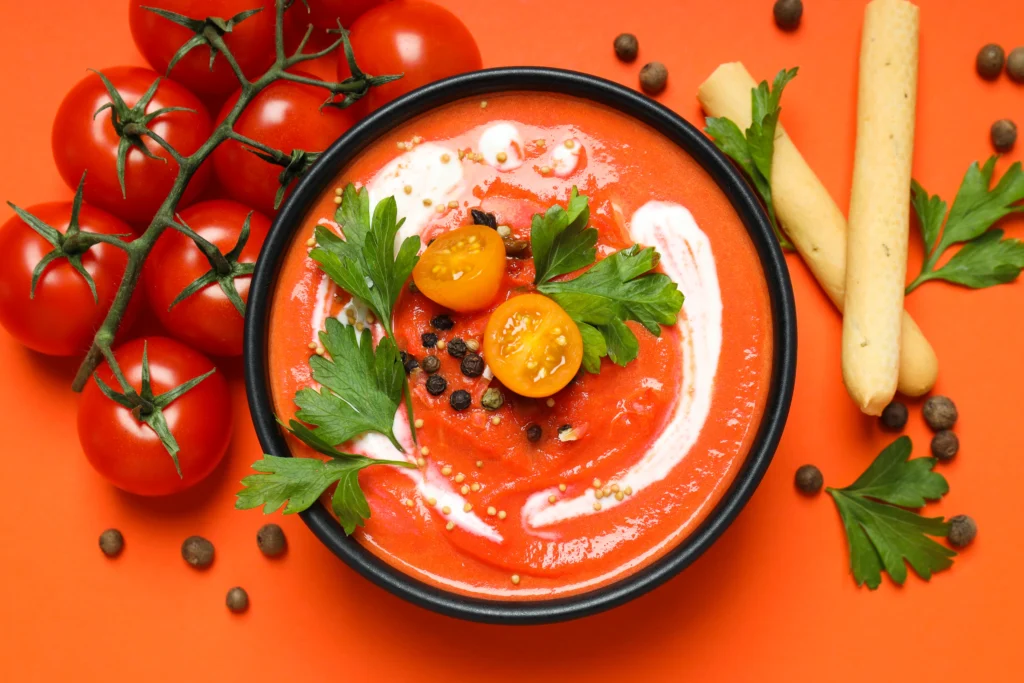
Sun-Drenched Tomato Basil Soup: A Signature Selection
This vibrant Tomato basil soup…
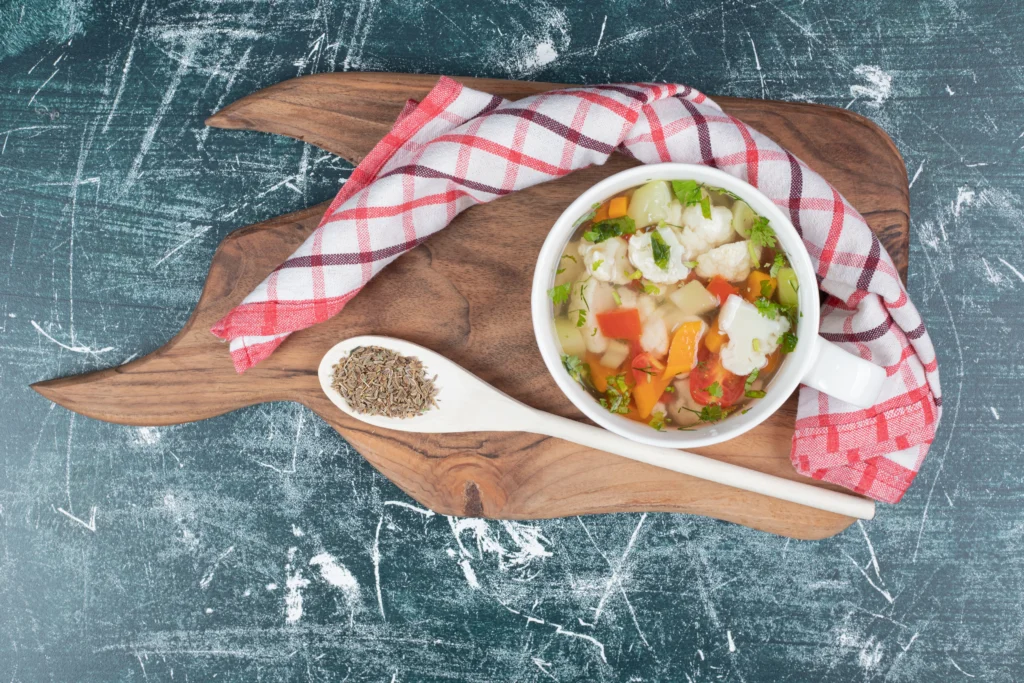
Heritage Classic Vegetable Soup: A Signature Selection
The Classic Vegetable Soup is…
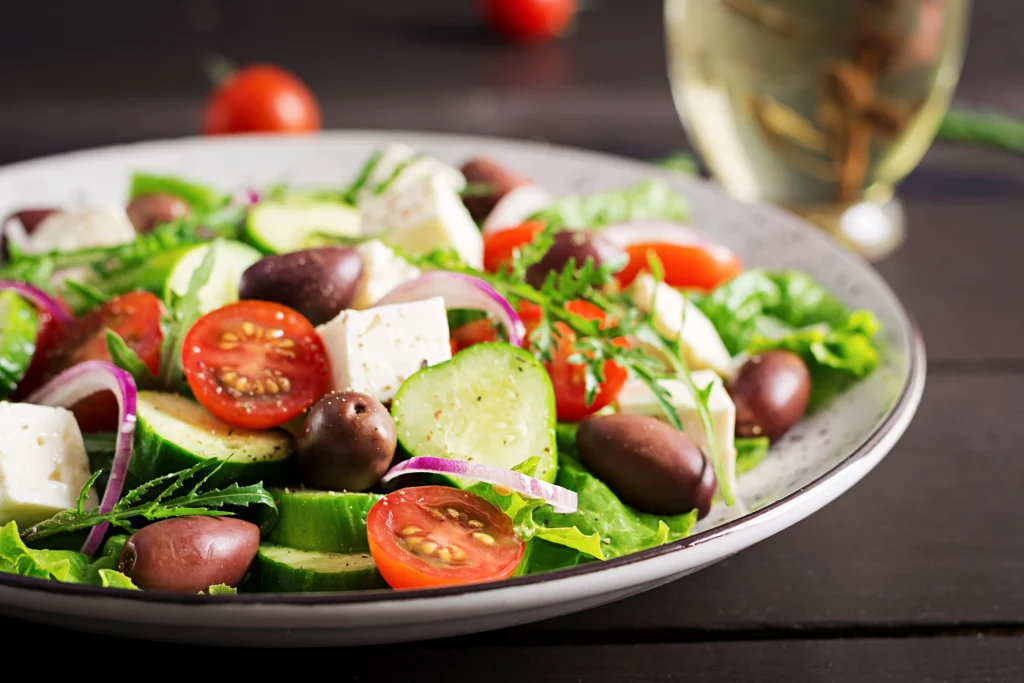
Authentic Greek Salad: A Signature Selection
The Greek Salad (Horiatiki) is…
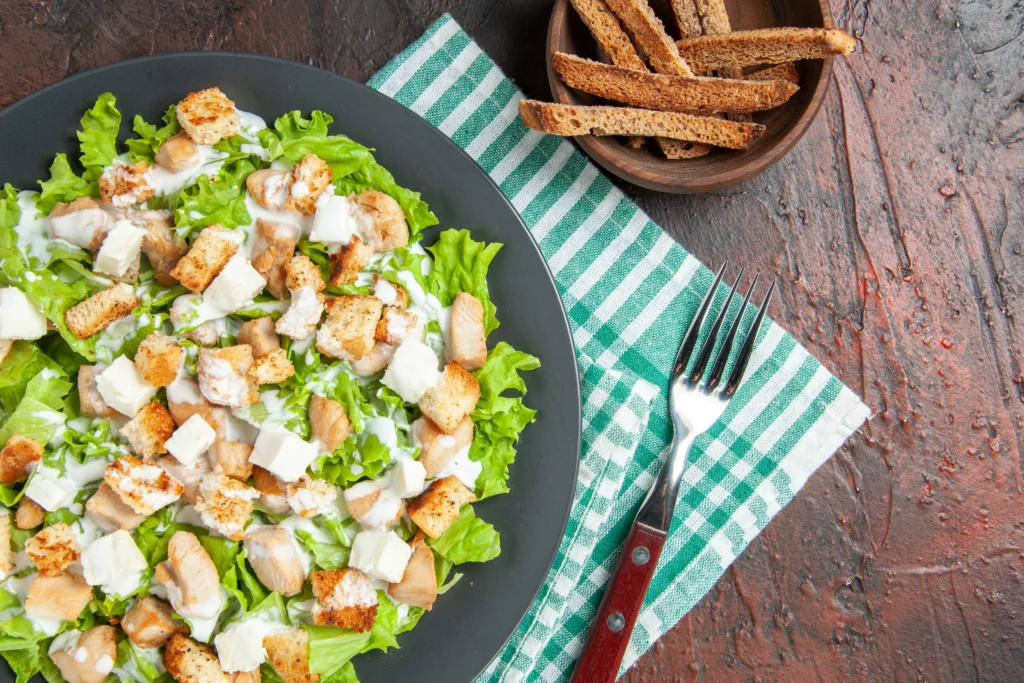
Artisanal Caesar Salad: A Refined Salad Tradition
This post may contain affiliate…
FAQS
Why doesn’t this recipe include lettuce?
In a traditional Greek Horiatiki, lettuce is considered a “filler” that wilts quickly. By excluding it, we allow the tomato juices to mingle freely with the olive oil and oregano, creating a delicious natural sauce (called papara) at the bottom of the bowl that is perfect for dipping bread.
Can I use pre-crumbled feta instead of a block?
For the best experience, use a whole block of feta in brine. Pre-crumbled versions are often coated in anti-caking agents (like potato starch or cellulose) which dry out the cheese and ruin that signature “cream-like crumble” described in the recipe.
How do I stop the red onions from being too overpowering?
If you find raw onions too sharp, use The Onion Trick: soak your slices in a bowl of ice-cold water for about 10 minutes before adding them to the salad. This removes the pungent “burn” while keeping the texture incredibly crisp.
Why rub the oregano between my palms?
Dried oregano contains essential oils that stay trapped inside the leaves. By rubbing the herb between your palms before sprinkling it, the friction and heat release those oils, resulting in a significantly bolder, more aromatic flavor.