
Victoria Sponge Cake is one of the most iconic cakes in British baking. Named after Queen Victoria, who was known to enjoy a slice with her afternoon tea, this elegant yet simple cake has been a staple in homes, cafés, and bakeries for generations.
Victoria Sponge: A Classic British Bake
The Victoria Sponge Cake is the undisputed crown jewel of British baking, named after Queen Victoria, who famously enjoyed a slice with her afternoon tea. This cake is the gold standard by which many home bakers are judged, celebrated for its deceptive simplicity and perfect balance. A true Victoria Sponge consists of two airy layers of buttery sponge held together by a generous spreading of vibrant raspberry jam and, traditionally, a layer of silky vanilla buttercream or whipped cream.
The secret to this “Classic British Bake” lies in the method. Unlike heavier fruitcakes, the Victoria Sponge relies on the creaming technique—beating equal weights of butter and sugar until pale and fluffy to incorporate maximum air. This results in a “light-as-air” crumb that is firm enough to slice but soft enough to melt. Traditionally, the top is never frosted; instead, it receives a simple, elegant dusting of caster sugar. It is a celebration of high-quality, basic ingredients: fresh eggs, rich butter, and fine flour. Whether served at a summer garden party or a cozy kitchen table, it remains a timeless symbol of British hospitality and culinary elegance.
About me
Based in London, Taha is a professional recipe developer and food photographer. Since launching TahaCooks in 2025, he has shared his decade of culinary expertise to help home cooks master gourmet flavors. Every recipe on the site is triple-tested and designed to bring restaurant-quality results to the everyday kitchen.
An Elegant Afternoon Cake
The Victoria Sponge stands as the epitome of an elegant afternoon cake, designed specifically to bridge the gap between lunch and dinner with grace. Its beauty lies in its understated sophistication; it doesn’t rely on heavy frostings or elaborate decorations, but rather on the perfection of its golden, uniform crumb and the vibrant contrast of its fillings. When presented on a tiered stand, its layers of pale sponge, ruby-red raspberry jam, and cloud-like cream create a visual harmony that is synonymous with the refined tradition of British Afternoon Tea.Try our other British classics like Sticky Toffee Pudding for a traditional dessert spread.
What makes this cake truly elegant is its delicate texture. A well-made Victoria Sponge is remarkably light, offering a gentle sweetness that complements a steaming pot of Earl Grey or Darjeeling without overwhelming the palate. It is a sensory experience—the faint scent of vanilla bean, the slight crunch of a caster sugar dusting, and the soft “give” of the sponge as it is sliced. It remains a timeless choice for celebrations that call for a touch of class, proving that in the world of baking, simplicity executed with precision is the ultimate form of luxury.
A Timeless Tea-Time Favourite
The Victoria Sponge is the definitive centerpiece of the British tea table. Its enduring popularity stems from its ability to be both humble and celebratory, a reliable companion to a midday break or a grand garden party. Unlike trend-driven bakes, this cake relies on the timeless harmony of golden sponge, tart jam, and sweet cream, proving that classic flavors never go out of style. It is the heart of the “tea and cake” ritual, offering a comforting, nostalgic slice of culinary history that feels just as relevant today as it did in the 19th century.
Traditional Victoria Sponge Cake
Equipment
- 1 20cm (8-inch) Sandwich Tins Loose-bottomed or springform tins are best for easy removal.
- 1 Baking Parchment Essential for lining the base of the tins to prevent sticking.
- 1 Large Mixing Bowl For creaming the butter and sugar and mixing the batter.
- 1 Electric Hand Mixer Highly recommended for achieving a light, airy sponge. A stand mixer also works.
- 1 Sieve To aerate the flour and remove lumps before folding.
- 1 Wire Cooling Rack Crucial for allowing air to circulate so the sponges don't get soggy.
- 1 Rubber Spatula Perfect for folding in flour gently and scraping the bowl clean.
- 1 Palate Knife Ideal for spreading the jam and cream smoothly and evenly.
Ingredients
- 200 g Unsalted Butter Must be softened to room temperature for proper creaming.
- 200 g Caster Sugar Provides a finer texture than granulated sugar.
- 4 Large Eggs Lightly beaten before adding to the mixture.
- 200 g Self-Raising Flour Sifted; provides the lift needed for a light sponge.
- 1 tsp Baking Powder Adds an extra boost to ensure a consistent rise.
- 2 tbsp Milk Only if needed to achieve a "dropping consistency."
- 100 g Raspberry Jam Seedless is traditional, but high-quality conserve is better.
- 150 ml Double Cream Whipped to soft peaks (or use 100g buttercream instead).
- 1 tbsp Caster Sugar For a light dusting over the top of the finished cake.
Instructions
- Preparation:Preheat your oven to 180°C (350°F). Grease two 20cm (8-inch) sandwich tins with a little butter and line the bases with baking parchment.
- Cream the Base:In a large bowl, beat the softened butter and caster sugar together using an electric mixer. Continue for about 5 minutes until the mixture is pale, light, and fluffy.
- Add the Eggs:Add the beaten eggs one at a time, whisking thoroughly after each addition. Tip: If the mixture starts to curdle, add a tablespoon of your flour to bind it back together.
- Sift and Fold:Sift the self-raising flour and baking powder into the bowl. Using a large metal spoon or rubber spatula, gently fold the flour into the batter. Do not overmix—stop as soon as no white streaks remain. If the batter is too stiff, fold in the milk.
- Baking:Divide the batter equally between the two tins and smooth the tops. Bake for 20–25 minutes until golden brown and a skewer inserted into the center comes out clea
- Cooling:Leave the sponges in their tins for 5 minutes, then turn them out onto a wire rack. Peel off the parchment and allow them to cool completely.
- Assembly:Place one sponge upside-down on a plate. Spread a thick layer of raspberry jam over it. If using whipped cream, spread it carefully over the jam. Top with the second sponge (right-side up).
- The Final Touch:Finish by sprinkling the top generously with caster sugar.
Notes
Serving & Presentation
Quick Tips- The Cut: Use a serrated knife with a gentle sawing motion to keep the layers fluffy.
- Temperature: Best served at room temperature for the softest crumb.
- Garnish: A light dusting of caster sugar is the classic finish; add a few fresh raspberries for a modern look.
- Pairing: Serve with Earl Grey tea or a glass of Prosecco.
- Style: Present on a pedestal stand or a simple white plate to highlight the golden layers.
Explore More
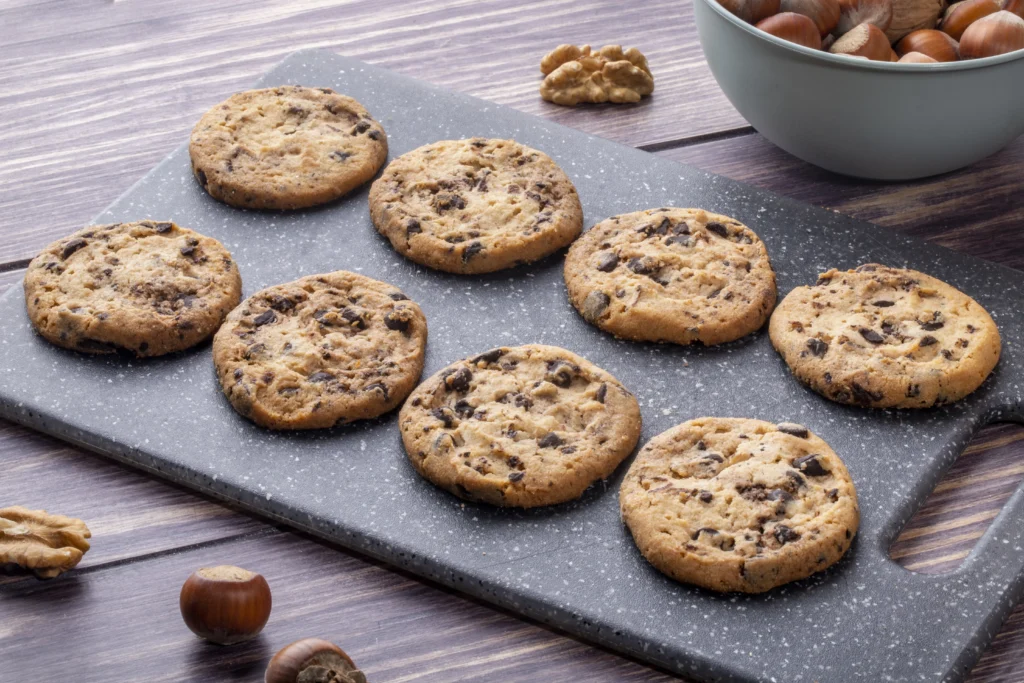
Chocolate Chip Cookies with Brown Butter
This Chocolate Chip Cookie is…
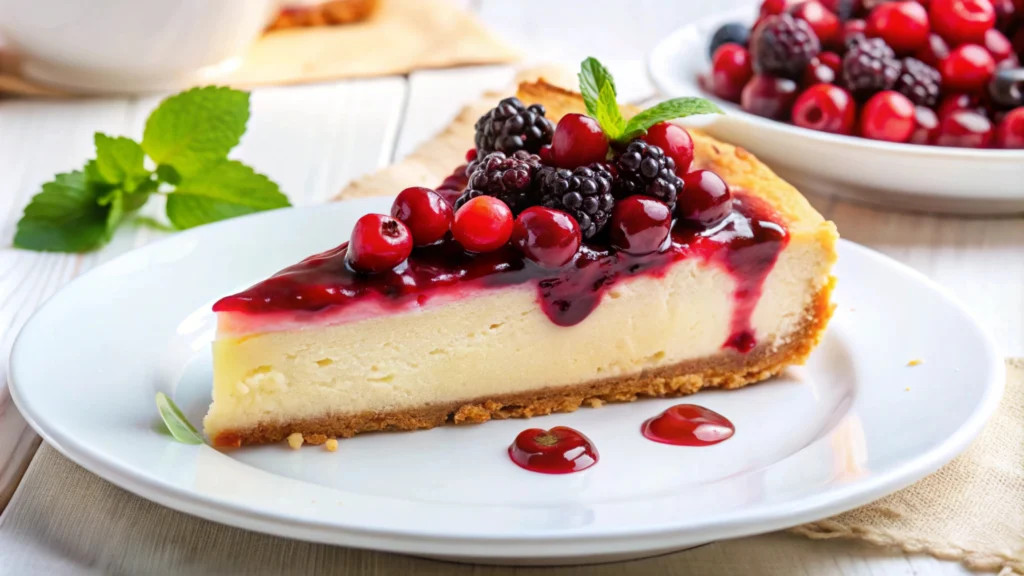
Vanilla Bean Cheesecake with Raspberry Coulis
This baked cheesecake celebrates the…
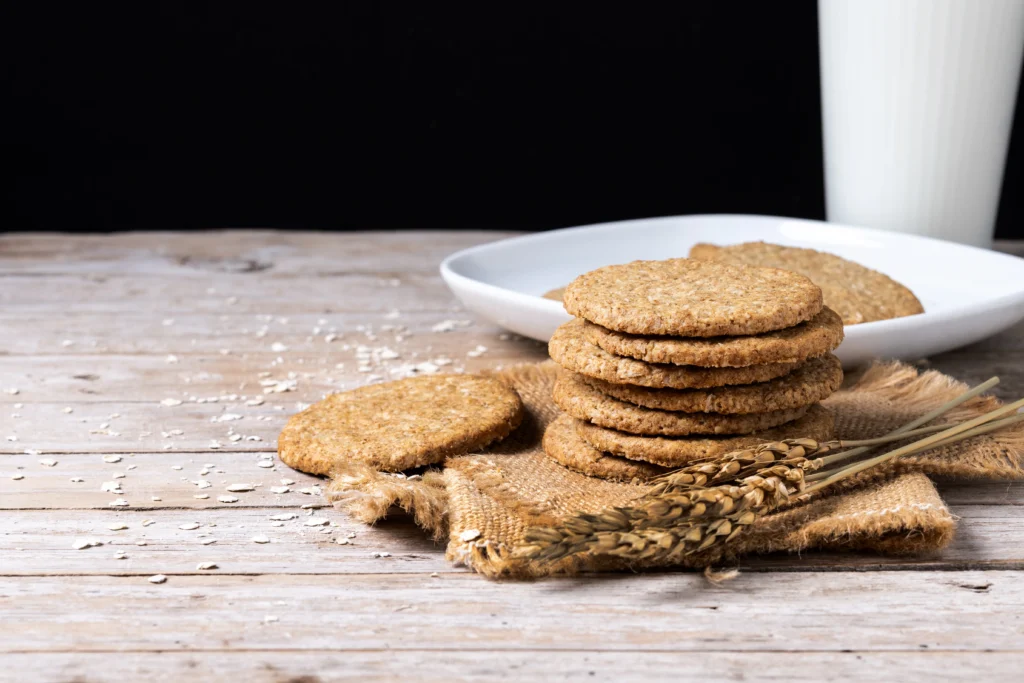
Wholewheat Digestive Biscuits with Dark Chocolate
This Wholewheat Digestive Biscuits is…
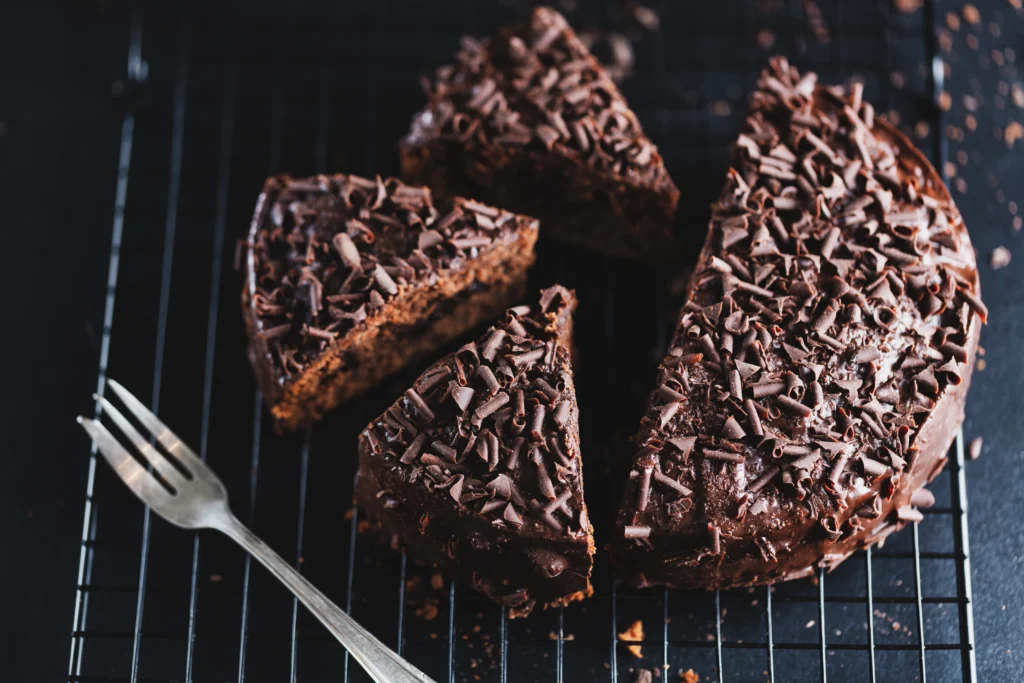
Ultimate Chocolate Fudge Cake: A Masterclass in Decadence
This post may contain affiliate…
FAQS
Why did my sponge sink in the middle?
The most common cause is opening the oven door too early, which causes a sudden temperature drop. It could also be due to using too much baking powder or underbaking the center.
Can I use All-Purpose (Plain) flour?
Yes, but you must add a leavening agent. Use 2 teaspoons of baking powder for every 150g of plain flour and sift them together multiple times to ensure even distribution.
Should I use Buttercream or Fresh Cream?
Fresh Cream: Tastes lighter and more traditional, but the cake must be eaten quickly and stored in the fridge.
Buttercream: Lasts longer at room temperature and makes the cake more stable for transport.
Can I freeze the sponges?
Yes! Wrap the unfilled cooled sponges tightly in plastic wrap and foil. They can be frozen for up to 3 months. Thaw at room temperature before adding your jam and cream.