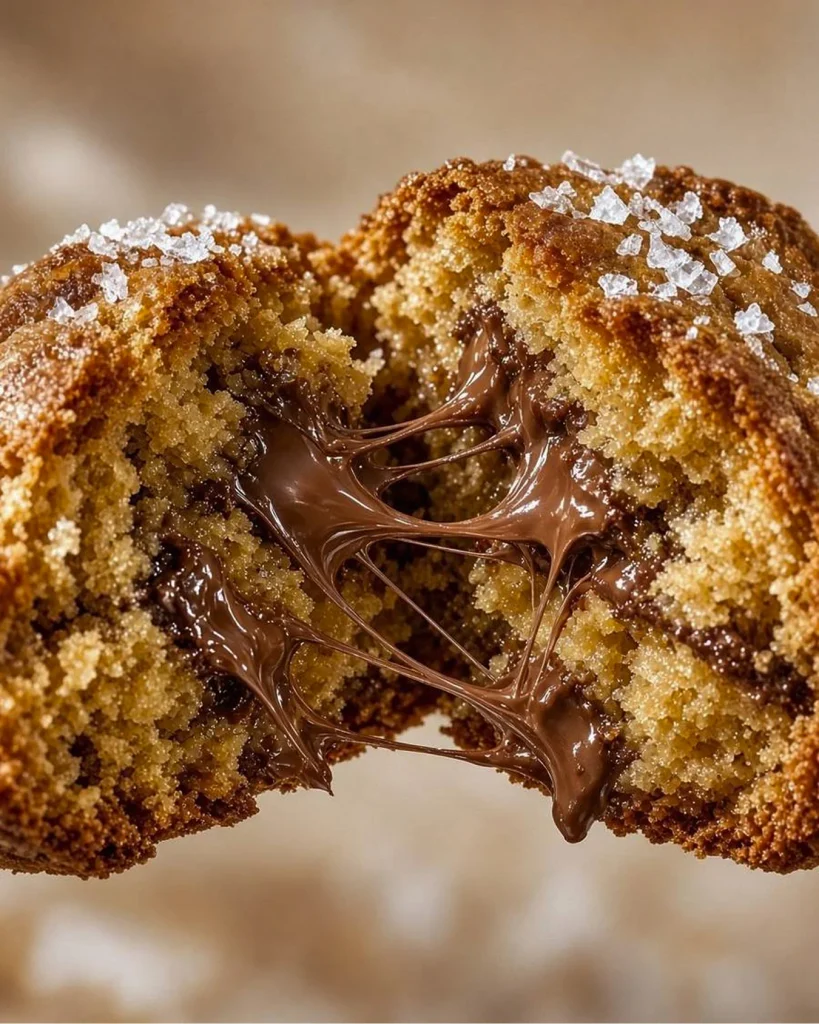

Brown butter is one of the easiest ways to make a chocolate chip cookie taste far more interesting. A few minutes in a saucepan turns plain butter into something nutty, toasty, and a little like toffee, and that flavour carries through the whole bake. These chocolate chip cookies with brown butter have crisp, crackly edges, a dense and chewy middle, and milk chocolate that melts into the dough. They are also gluten-free, and nobody at the table will feel they are missing out.
The recipe takes a little patience, because the butter needs to cool and the dough needs to rest. But the steps are simple, and the result tastes like it came from a good bakery.
TAHACOOKS
Based in London, Taha is a professional recipe developer and food photographer. Since launching TahaCooks in 2025, he has shared his decade of culinary expertise to help home cooks master gourmet flavors. Every recipe on the site is triple-tested and designed to bring restaurant-quality results to the everyday kitchen.
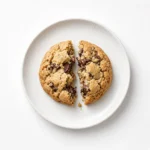
Chocolate Chip Cookies with Brown Butter
Equipment
- 1 Small Saucepan Use a light-coloured pan to monitor the butter's colour change.
- 1 Heatproof Bowl To immediately transfer and cool the browned butter.
- 1 Whisk For emulsifying the butter and sugars.
- 1 Baking Sheet Large enough to allow for cookie spread.
- 1 Baking Parchment To prevent sticking and ensure easy removal.
- 1 Kitchen Scale Essential for accurate UK gram measurements.
Ingredients
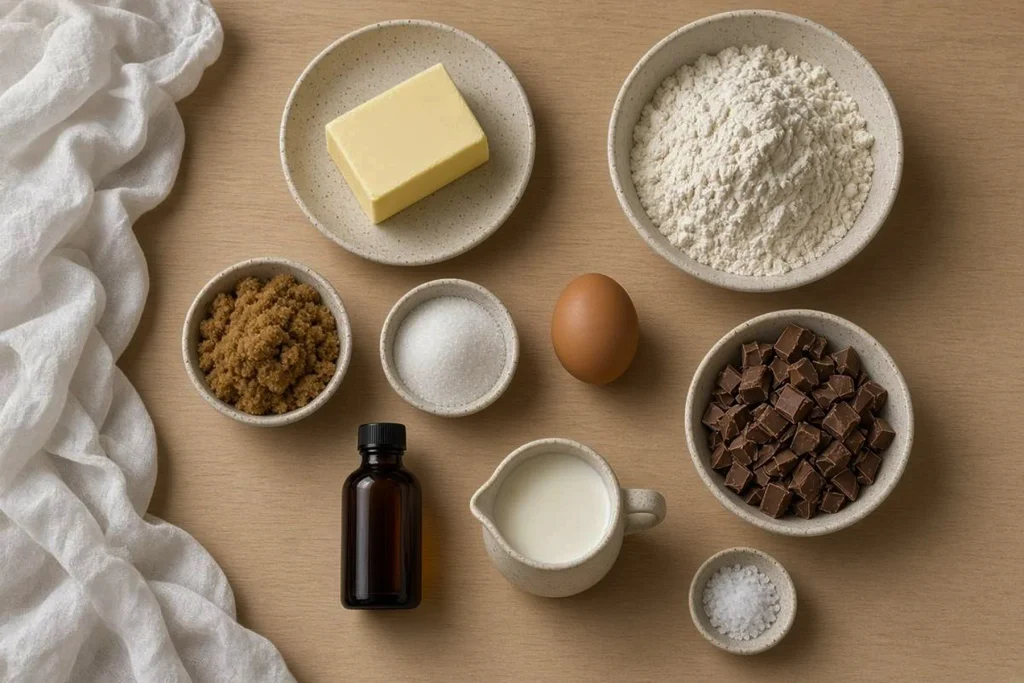
- 115 g Unsalted Butter High-quality European style preferred for browning.
- 200 g Gluten-Free Plain Flour Ensure it is a "1-to-1" blend with xanthan gum.
- 1 tbsp Bicarbonate of Soda Provides lift and helps with browning.
- ½ tbsp Fine Sea Salt To balance the richness of the butter.
- 150 g Soft Light Brown Sugar Creates the chewy, fudgy texture.
- 50 g Caster Sugar Helps achieve the shatter-crisp edges.
- 1 large Egg Should be at room temperature.
- 1 tbsp Vanilla Extract Or vanilla bean paste for deeper flavour.
- 1 tbsp Whole Milk To replace moisture lost during butter browning.
- 150 g Milk Chocolate Chunks Chopped from a bar for better melting pools.
- 1 pinch Flaky Sea Salt For sprinkling on top after baking.
Instructions
- "Brown the Butter: Melt the butter in a small saucepan over medium heat. Whisk constantly as it foams. Once you see golden-brown specks and smell a nutty aroma, remove from heat and pour into a bowl.",Unsalted Butter
- Restore Moisture: Immediately stir the milk into the hot browned butter. This replaces the water evaporated during the browning process. Let cool for 10–15 minutes.,Whole Milk
- "Cream the Base: Whisk the cooled brown butter with the brown and caster sugars until fully combined. Add the egg and vanilla extract, whisking until the mixture is glossy and smooth.","Brown Sugar, Caster Sugar, Egg, Vanilla"
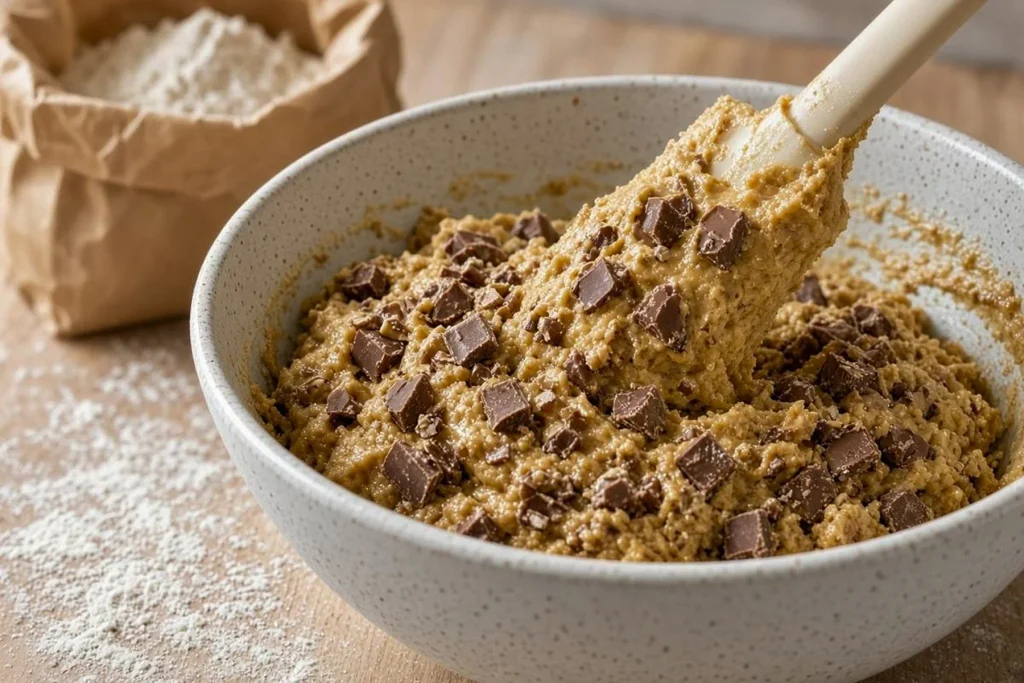
- "Fold Dry Ingredients: Sift in the gluten-free flour, bicarbonate of soda, and fine salt. Fold gently until no streaks of flour remain, then fold in the chocolate chunks.","GF Flour, Bicarb, Fine Salt, Milk Chocolate"
- The Hydration Rest: Cover the dough and chill in the fridge for at least 30 minutes. This is crucial for gluten-free flour to hydrate and prevents a gritty texture.,—
- "Bake: Preheat oven to 180°C (160°C Fan). Scoop 50g balls onto a lined tray. Bake for 10–12 minutes until the edges are ""shatter-crisp"" but the centres are still soft.",Flaky Sea Salt
Notes
Serving & Presentation
Best served warm. Microwave for 10 seconds if eating later to restore the fudgy centre. Pairs perfectly with cold milk or espresso.The Cookie I Keep Coming Back To
When I want a cookie that feels a little special without any fancy ingredients, this is the one I bake. My favourite part is the smell as the butter browns, which turns nutty and toasty and makes the whole kitchen smell wonderful. I never skip the rest in the fridge, because it gives me a thicker cookie with a deeper flavour. Once they’re out of the oven, I sprinkle a little flaky salt on top while they’re still warm, and the salt goes well with the sweet chocolate chips.
What Brown Butter Does to a Cookie
Brown butter changes both the flavour and the texture of a cookie.
The flavour. When butter is heated, the water cooks off and the milk solids toast and turn golden brown. This gives you notes of hazelnut, butterscotch, and caramel that plain melted or creamed butter can’t match. In the oven, the same aroma fills the kitchen.
The texture. Because some of the water has evaporated, there is less steam in the dough, and the cookies bake up denser and chewier rather than cakey. Combined with a mix of brown and caster sugar, you get crisp edges and a soft, fudgy centre.
The chocolate. Milk chocolate suits brown butter well. It is creamy and sweet enough to balance the toasty, slightly savoury butter, and chopped chunks from a bar melt into larger pockets than standard chips.
Browning the Butter: What to Watch For
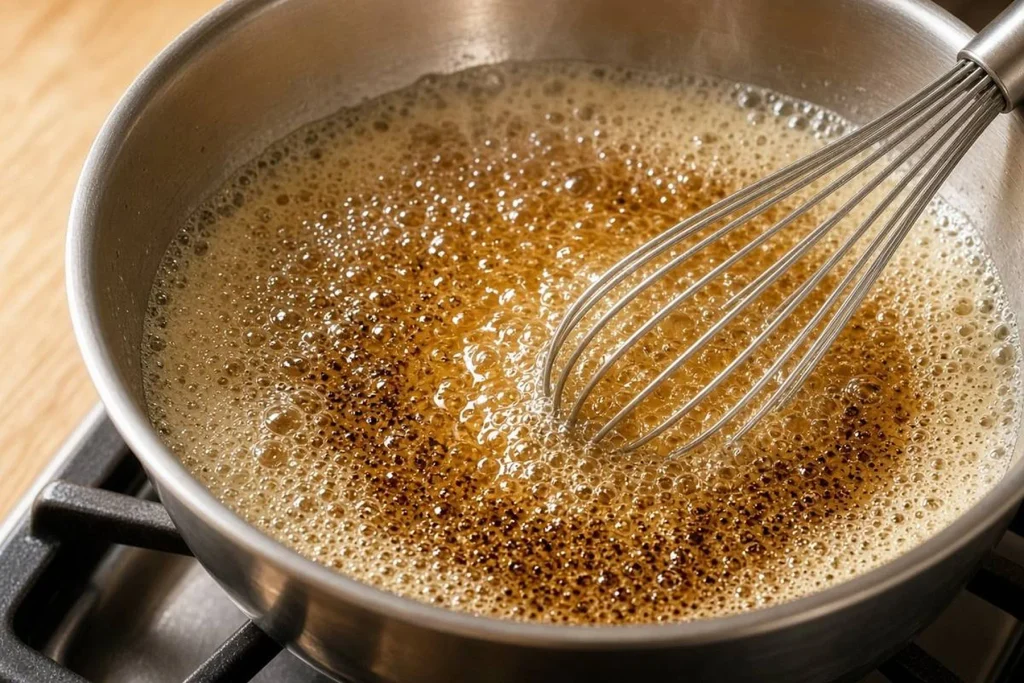
Browning butter takes about 5 to 8 minutes and only needs your attention.
- Use a light-coloured pan. A stainless steel or pale-bottomed saucepan lets you see the colour change. In a dark pan, you can’t tell when the butter is ready.
- Use medium heat and whisk often. The butter melts, then foams. Keep stirring so the solids don’t catch on the bottom.
- Watch and smell. When you see golden-brown specks and the aroma turns nutty, it is done. This can happen quickly, so don’t walk away.
- Pour it out straight away. Hot butter keeps cooking in the pan, so move it into a heatproof bowl, scraping in all the brown bits. That’s where the flavour is.
If it goes dark brown or smells burnt, start again. Burnt butter tastes bitter and will spoil the whole batch.
The Spoonful of Milk That Fixes the Dough
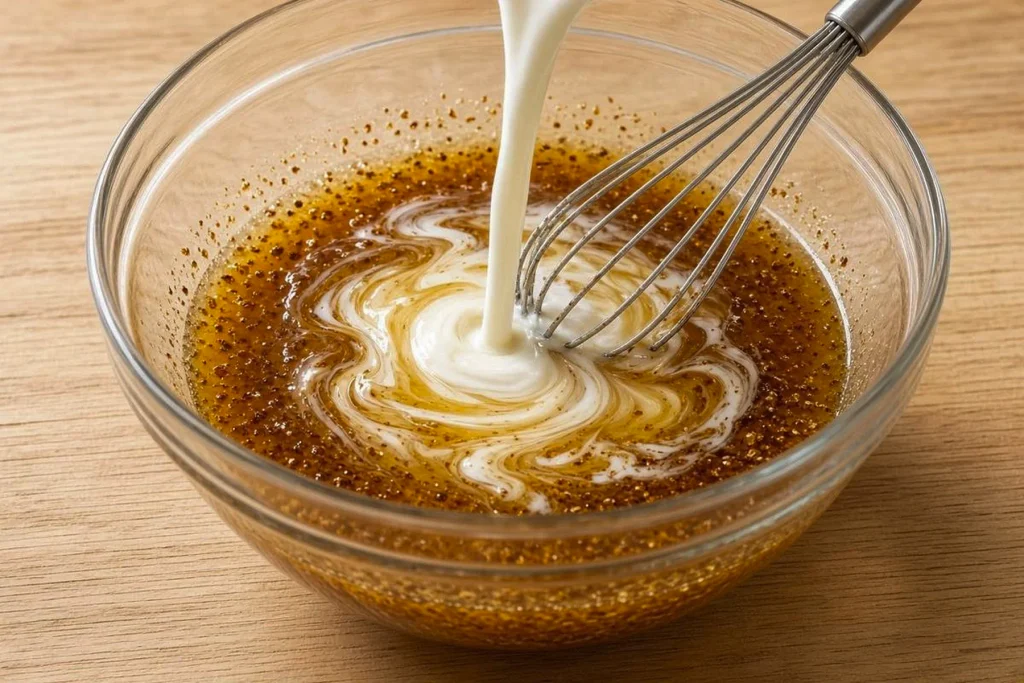
Browning removes water, and the dough needs some of it back to stay soft and chewy. A spoonful of whole milk stirred into the hot butter replaces some of the moisture that evaporated. Let the mixture cool for 10 to 15 minutes before adding the sugars, or it will melt them and the egg can scramble.
Getting Smooth, Not Sandy, Gluten-Free Dough
Gluten-free baking has a few differences, and they are easy to manage.
- Use a 1-to-1 plain gluten-free flour blend that contains xanthan gum. It gives the dough structure that wheat flour would normally provide.
- Weigh your flour. Gluten-free flours are easy to over- or under-measure, and a scale gives the most reliable result.
- Fold gently. Mix until you can’t see any streaks of flour, then fold in the chocolate. Overworking the dough doesn’t help here.
- Let the dough rest. Gluten-free flour needs time to absorb moisture. A rest of at least 30 minutes in the fridge prevents a sandy, gritty texture.
Check your labels. Check your labels. In the UK, a product can only be labelled gluten free if it contains 20 parts per million of gluten or less. If you’re baking for someone with coeliac disease, look for that label on the flour, chocolate, and vanilla.
Why You Shouldn’t Skip the Chill
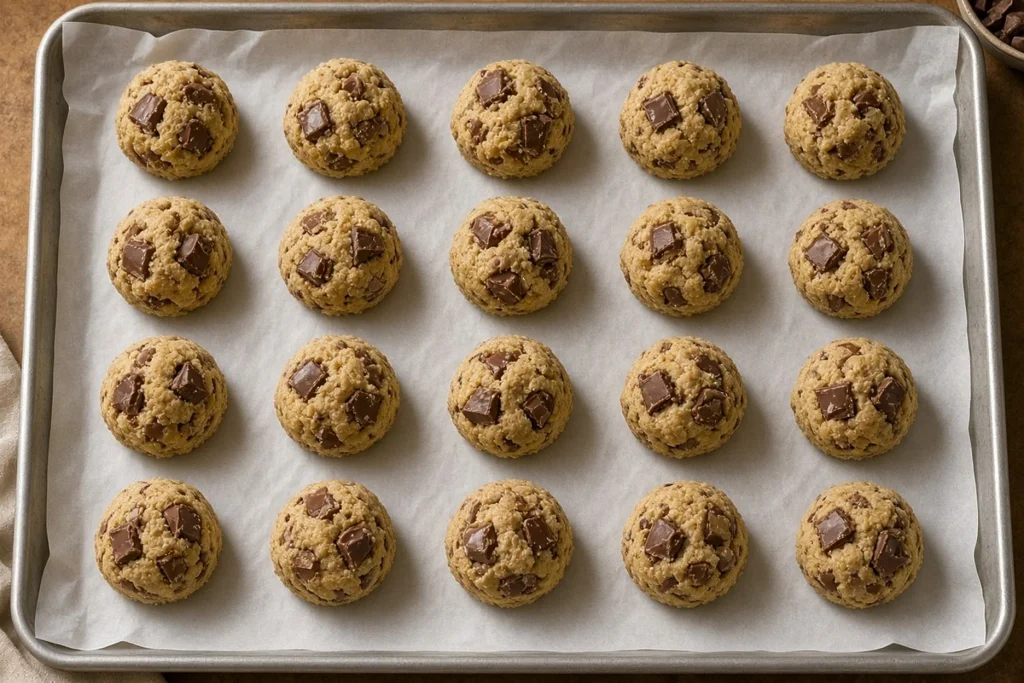
Chilling does three jobs at once. The butter firms up again, so the cookies spread less and bake thicker. The flour hydrates fully, which improves the texture. And the flavour deepens, so you get a more toffee-like taste. Thirty minutes is the minimum, and a longer rest in the fridge will do no harm.
Looking for another bake? Try my Best Creamy Cheesecake Recipes.
Scooping and Baking: Edges, Centres, and Timing
- Scoop evenly. Equal-sized balls bake at the same speed. A kitchen scale or a large ice-cream scoop makes this easy.
- Space them out. Leave room on the lined tray, because the cookies will spread.
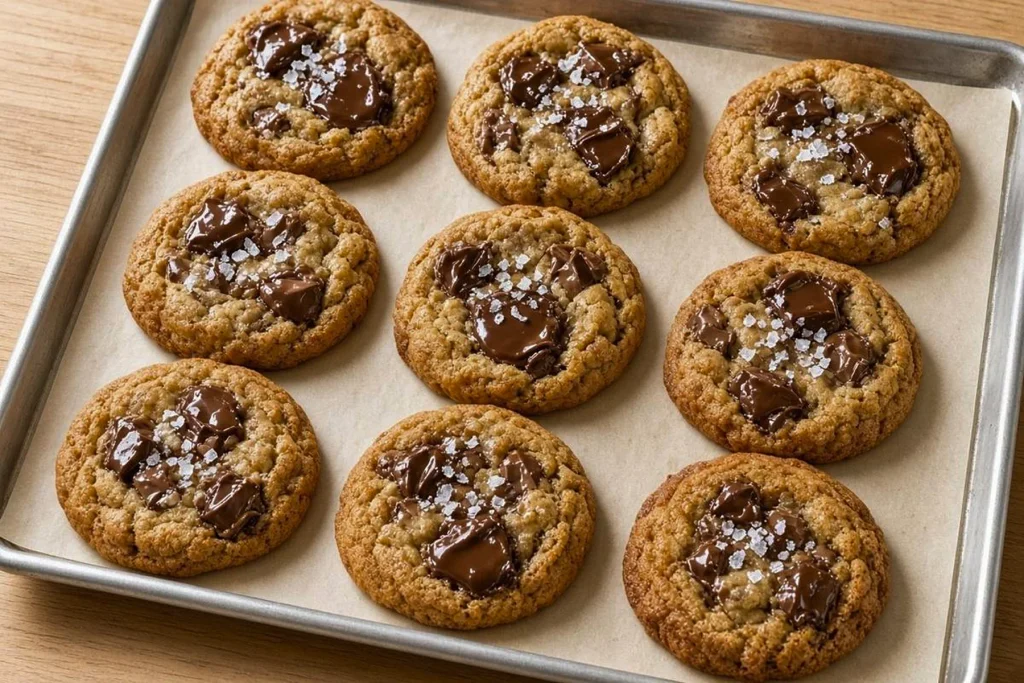
- Bake until the edges are set. The centres should still look slightly soft. They firm up as they cool.
- Tap the tray. For crinkled, rippled edges, give the tray a gentle bang on the oven rack partway through baking. It knocks out air and makes a chewier edge.
- Finish with flaky salt. A small pinch on the warm cookies brings out the butter and balances the sweetness.
Cool the cookies on the tray for a few minutes first, then move them to a wire rack. They’re fragile when hot.
- Twists Worth Trying
- Dark or white chocolate: swap the milk chocolate for dark chunks, or use a mix of both.
- Nuts: add chopped toasted hazelnuts or pecans, which echo the nutty butter.
- Extra salty: use more flaky salt on top for a sweet and salty finish.
- Spice: add a pinch of cinnamon or espresso powder to deepen the flavour.
- Ice-cream sandwiches: sandwich two cooled cookies around a scoop of vanilla ice cream.
Storage and Freezing
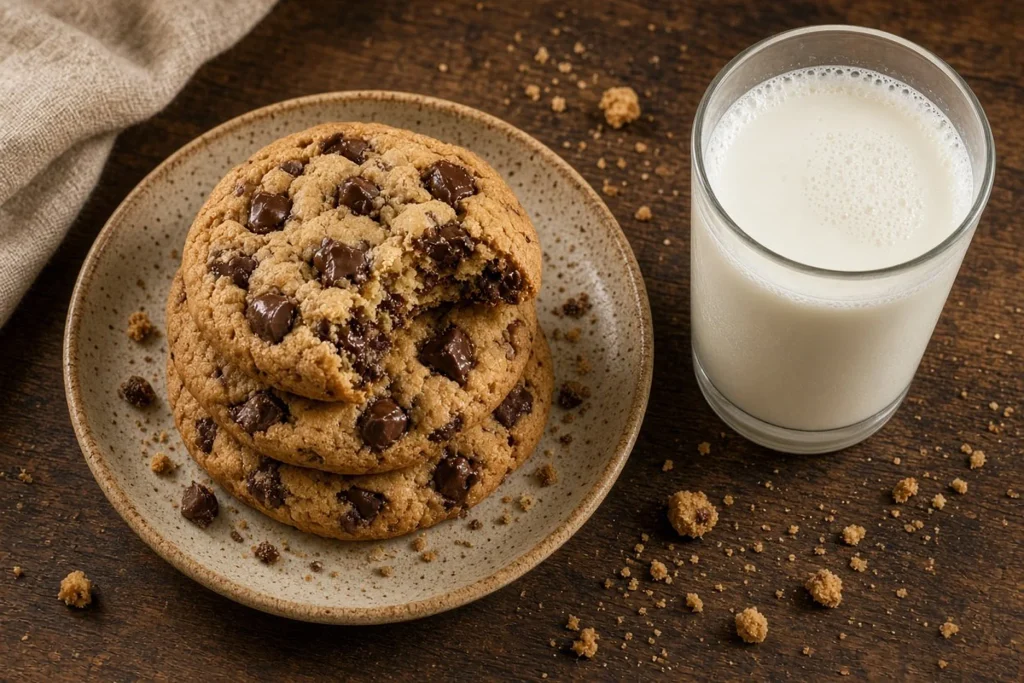
- Room temperature: keep the cookies in an airtight container for up to 5 days. They stay soft and chewy.
- Freezing the dough: scoop the dough into balls, freeze them on a tray, then transfer them to a freezer bag for up to 3 months. Bake from frozen and add 1 to 2 minutes to the baking time.Bake the dough before eating it. Raw flour and raw egg can both carry bacteria, so it’s best not to taste raw cookie dough, and to wash your hands and tools after handling it.
Freezing baked cookies: wrap them well and freeze, then thaw at room temperature
Where Brown Butter Cookies Go Wrong
- Burning the butter, which makes the cookies taste bitter
- Not letting the butter cool, which melts the sugar and risks cooking the egg
- Skipping the chill, which causes thin, greasy cookies that spread too far
- Using cold eggs, which can make the dough seize, so use a room-temperature egg
- Overbaking, which dries out the centre, so take them out while the middle still looks soft
- Packing the flour into a cup, which makes the cookies dry, so weigh it instead
Where Brown Butter Cookies Go Wrong
Brown butter cookies are a small step up from the usual chocolate chunk recipe, and they reward you with a nutty aroma, crisp edges, and a chewy middle. Brown the butter carefully, give the dough its rest, and bake until the centres are just set. Make them once as written, then try your own twists.