
Vegetable Egg Frittata is a colorful celebration of modern breakfast culture, where seasonal produce meets the timeless elegance of slow-cooked eggs. Inspired by the rustic yet refined brunch menus found in neighborhood bistros across Europe and the world, this dish represents the perfect marriage of Mediterranean tradition and contemporary healthy living.
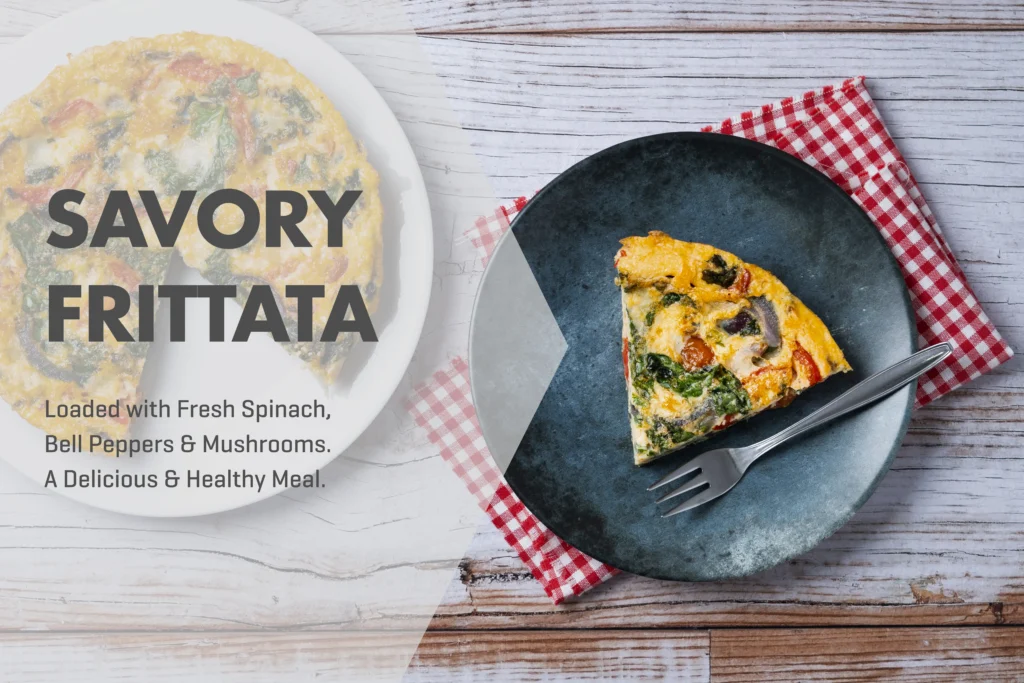
Soft-Centered Eggs & Golden Top
To achieve a Soft-Centered Frittata with a Golden Top, you must treat the eggs like a delicate custard rather than an omelet. The secret lies in heat management: using the stovetop for the base and the broiler for the finish.
First, the base technique: Whisk your eggs with heavy cream 30 per 4 eggs). The fat in the cream insulates the egg proteins, preventing them from curdling or becoming rubbery. Pour the mixture into a preheated, buttered cast-iron skillet over medium-low heat. Use a spatula to gently pull the cooked edges toward the center, allowing the liquid egg to fill the gaps. Stop when the bottom is structurally sound but the surface is still visibly runny.If you love the savory depth of this dish, you might also enjoy my Avocado Toast with Poached Egg
Second, the golden finish: Sprinkle a high-fat cheese, like Gruyère or Parmesan, across the wet top. Immediately place the skillet under a preheated broiler for 90 to 120 seconds. This intense top-down heat caramelizes the cheese into a “Golden Top” while the eggs underneath steam gently. Remove the pan while the center still has a slight jiggle; residual heat will finish the cook perfectly during a 5-minute rest, ensuring a velvet-soft interior every time.
About me
Based in London, Taha is a professional recipe developer and food photographer. Since launching TahaCooks in 2025, he has shared his decade of culinary expertise to help home cooks master gourmet flavors. Every recipe on the site is triple-tested and designed to bring restaurant-quality results to the everyday kitchen.
The Balance of Eggs, Heat & Fillings
To achieve a masterpiece frittata, you must manage the interplay between moisture, temperature, and structural integrity. A perfect frittata is an emulsion—a delicate balance where the eggs hold the fillings in a suspended, creamy embrace.
The Golden Ratio
The foundation of a soft center is the Egg-to-Dairy ratio. To ensure the proteins don’t tighten and weep liquid (syneresis), use 1 tablespoon of full-fat dairy (heavy cream or crème fraîche) for every 2 large eggs. This fat acts as a buffer, keeping the texture velvety even under high heat.
Heat Management
- The Stovetop Phase: Start with medium-low heat. High heat shocks the eggs, creating a tough, brown “skin” on the bottom before the center can cook. You are looking for a slow set—think of it as “low-impact” cooking.
- The Broiler Transition: The broiler is for the top only. By moving the pan to the top rack once the edges are set, you blast the surface with intense heat to create that golden crust while the ambient heat of the pan finishes the center gently.
Strategic Fillings
The most common mistake is adding “wet” vegetables.
- Pre-Cook Everything: Mushrooms, zucchini, and spinach must be sautéed and squeezed dry before hitting the eggs. Excess water will break your custard, leading to a soggy middle.
- Distribution: Add your fillings to the pan before the eggs. This ensures they are anchored to the bottom and evenly distributed, rather than floating in a clump on top
Techniques for Even Cooking
To prevent a burnt bottom and a raw middle, focus on these three professional techniques:
- The “Pull and Flow”: Once you pour the eggs into the pan, don’t just let them sit. Use a heat-resistant spatula to gently pull the cooked edges toward the center, tilting the pan so the raw liquid flows into the gaps. This creates even layers and speeds up the stovetop phase.
- The Two-Stage Heat: Start on medium-low to set the base without scorching. Once the edges are firm but the top is still “jiggly,” transfer the pan to the top rack of the oven. This uses convection to cook the center and radiant heat to brown the top simultaneously.
- Uniform Filling Size: Chop all vegetables and meats into 1/2-inch pieces or smaller. Large chunks create “cold spots” that hold moisture and prevent the egg custard from setting evenly around them.
- Pan Choice: Use a heavy-bottomed cast iron or carbon steel skillet. These materials distribute heat laterally, eliminating the “hot spots” common in thin aluminum pans that cause uneven browning.
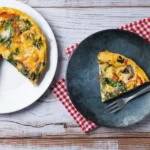
Soft-Centered Custard Frittata with Golden Gruyère Top
Equipment
- 1 10-inch Oven-Safe Skillet Cast iron or heavy stainless steel is preferred for even heat retention.
- 1 Large Mixing Bowl For whisking the eggs and dairy into a smooth custard.
- 1 Whisk or Fork To combine ingredients without over-aerating the mixture.
- 1 Silicone Spatula Essential for the "pull and flow" technique to set the base.
- 1 Box Grater To freshly grate the cheese for a superior "Golden Top" melt.
- 1 Kitchen Timer To track the critical 2-minute broiler window.
Ingredients
- 8 Large Eggs Pasture-raised or organic yields the brightest golden yolk.
- 1/4 Cup Heavy Cream Can substitute with full-fat sour cream or crème fraîche.
- 1 Cup Gruyère or Parmesan Freshly grated; creates the signature caramelized "lid."
- 2 Tbsp Unsalted Butter One for sautéing fillings, one for the final egg "seal."
- 1.5 Cups Vegetable Filling Pre-cooked and drained (e.g., spinach, mushrooms, or leeks).
- 1/2 Tsp Fine Sea Salt Season the eggs just before they hit the pan.
- 1/4 Tsp Black Pepper Freshly cracked for the best aromatic profile.
- 1 Tbsp Fresh Chives Finely minced; add half to the mix and half for garnish.
Instructions
- Prep & Pre-cook: Preheat your broiler on high. Sauté your chosen fillings (spinach, onions, or mushrooms) in the skillet until all moisture has evaporated. Remove and set aside.
- The Custard Base: In a bowl, whisk eggs, heavy cream, salt, and pepper until just combined. Do not over-whisk; you want a smooth liquid, not a foamy one.
- The Foundation: Wipe the skillet clean. Melt 1 tbsp of butter over medium-low heat. Pour in the egg mixture and sprinkle your pre-cooked fillings evenly across the surface.
- The "Pull and Flow": As the edges begin to set, use a spatula to gently pull the cooked egg toward the center. Tilt the pan to let the raw egg fill the empty space. Continue for 3–5 minutes until the bottom is stable but the top remains runny and wet.
- The Golden Top: Sprinkle the grated cheese in a thick, even layer over the wet surface. Transfer the skillet to the top rack of the oven, directly under the broiler.
- The Broiler Blast: Broil for 90 to 120 seconds. Watch closely! Remove as soon as the cheese is bubbling and golden-brown, even if the center still has a slight jiggle.
- The Carryover Rest: Let the frittata sit in the pan for 5 minutes. The residual heat will finish cooking the center to a perfect custard consistency. Garnish with fresh chives and slice.
Notes
Serving & Presentation
- The Skillet Reveal: Serve directly in the cast-iron skillet on a wooden board. This retains the “Golden Top” heat and creates an authentic, rustic look.
- The Perfect Wedge: Slice into 6 clean triangles. Use a serrated server to ensure you don’t crush the soft, custard-like interior.
- Color Contrast: Garnish with vibrant microgreens or freshly snipped chives. The green highlights the amber, caramelized cheese crust.
- Acidic Balance: Plate with a lemon-dressed arugula salad. The bright acidity cuts through the richness of the eggs and Gruyère.
- Finishing Salt: Add a tiny pinch of flaky sea salt to the crust for a subtle crunch and professional sheen.
Explore More
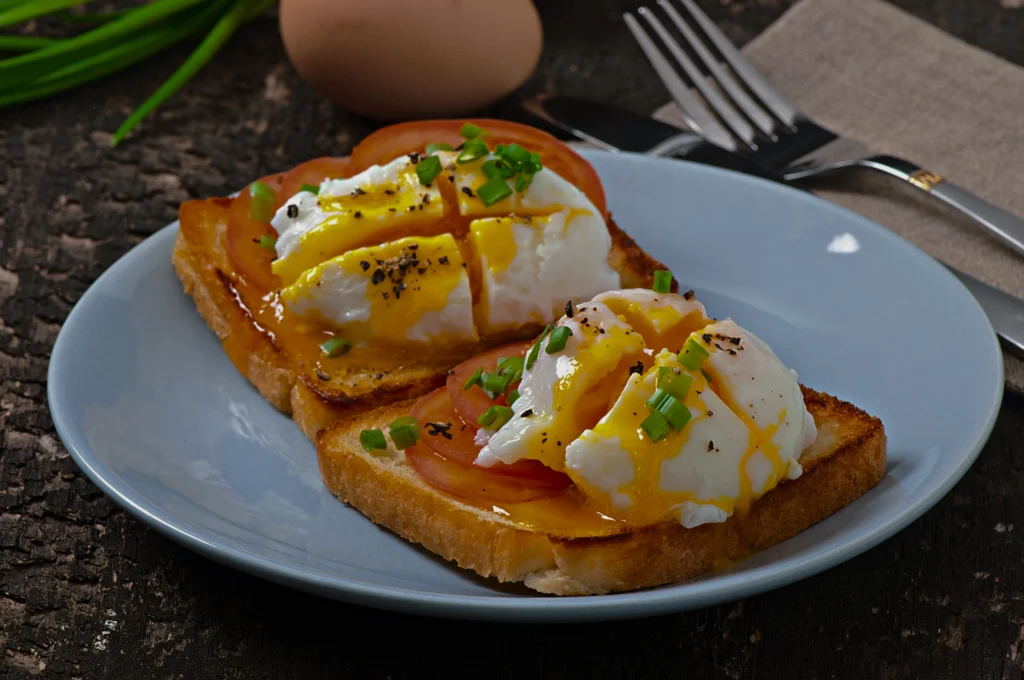
Golden Dippy Eggs & Crisp Soldiers
A plate of Golden Dippy…
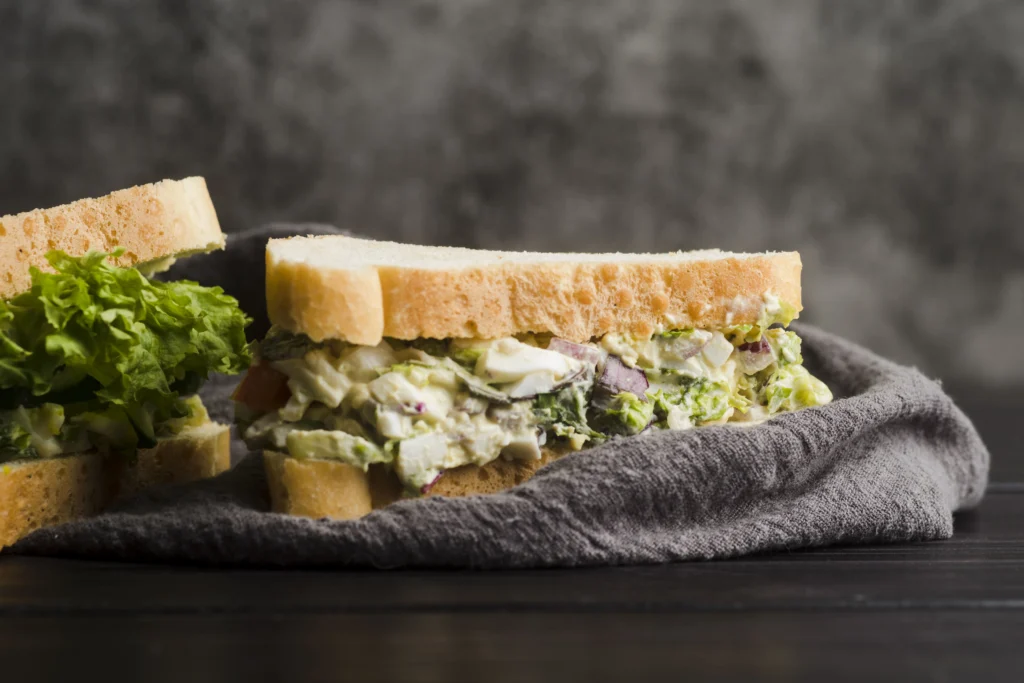
Classic Egg Sandwich with Creamy Filling
The Classic Egg Sandwich is…
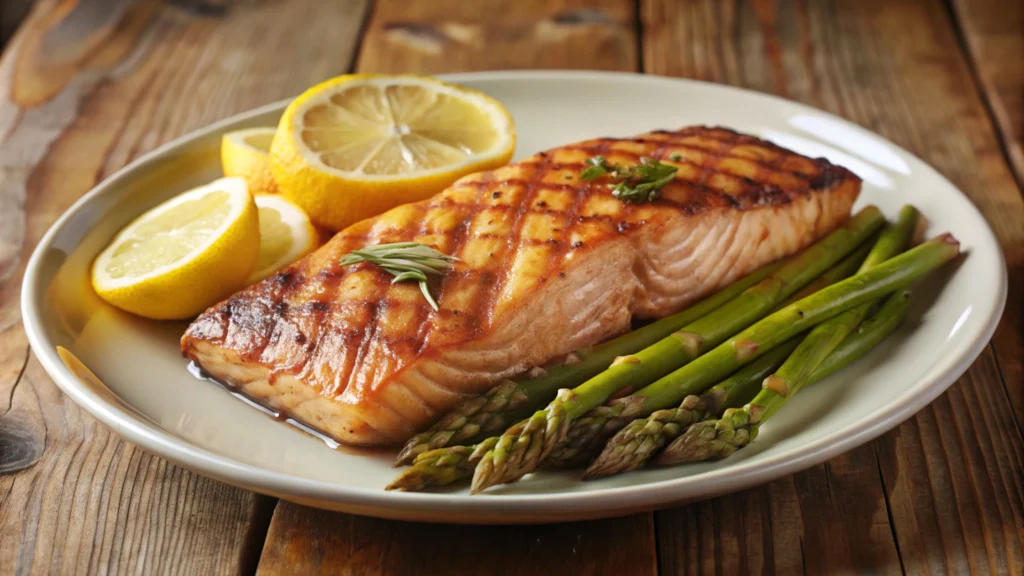
Grilled Salmon with Lemon Butter : Zest & Flame
Grilled Salmon with Lemon Butter…
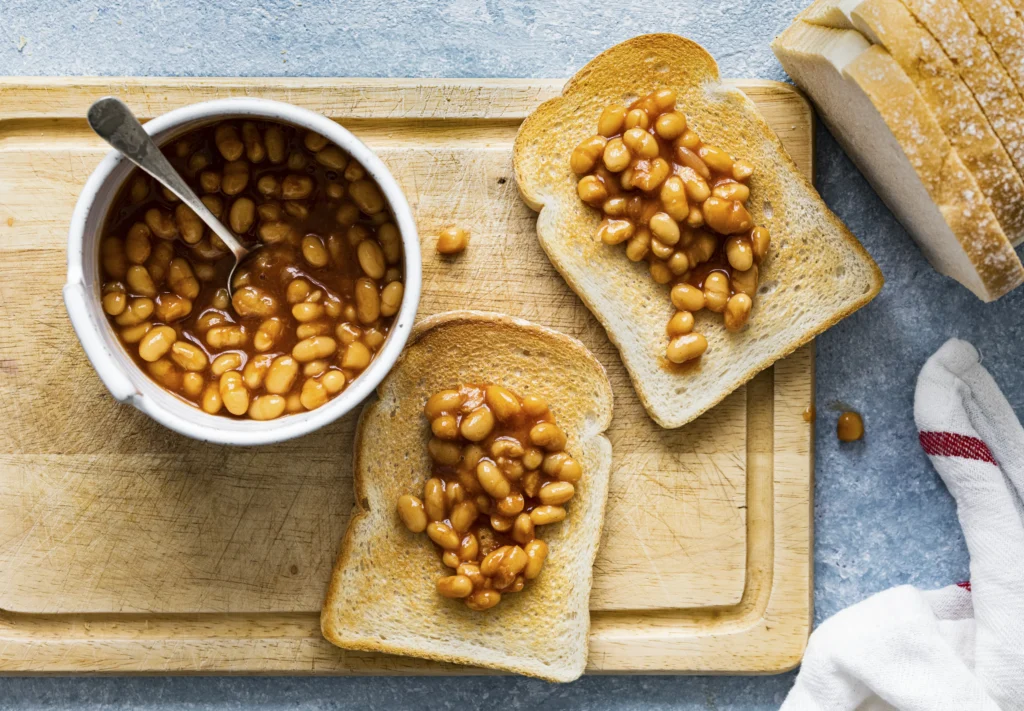
Beans on Toast: The Humble Masterpiece
Beans on Toast is the…
FAQS
Why is my frittata watery or “leaking” on the plate?
This is usually caused by “wet” vegetables. Vegetables like mushrooms, zucchini, and spinach hold a massive amount of water. If you don’t sauté them first to evaporate that moisture, it will release into the eggs as they bake, breaking the custard. Always pre-cook your fillings and drain them thoroughly before adding the eggs.
Can I use milk instead of heavy cream?
You can, but for a professional, soft-centered result, heavy cream or crème fraîche is highly recommended. The higher fat content in cream acts as a “Dairy Buffer,” insulating the egg proteins and preventing them from bonding too tightly. This is what keeps the texture velvety rather than rubbery.
How do I know exactly when to take it out of the oven?
Use the “Jiggle” Exit. You should pull the pan from the oven while the very center still has a slight wobble or jiggle. If it looks completely firm and dry in the oven, it is already overcooked. The residual heat from the cast-iron skillet will finish the cooking process during the 5-minute rest.
Why shouldn’t I whisk the eggs until they are foamy?
While it’s tempting to whisk vigorously, excess air is the enemy of a dense, creamy frittata. Air causes the eggs to puff up like a soufflé in the oven and then collapse into a tough, leathery texture as they cool. Stir until just combined for a smooth, bistro-grade finish.