
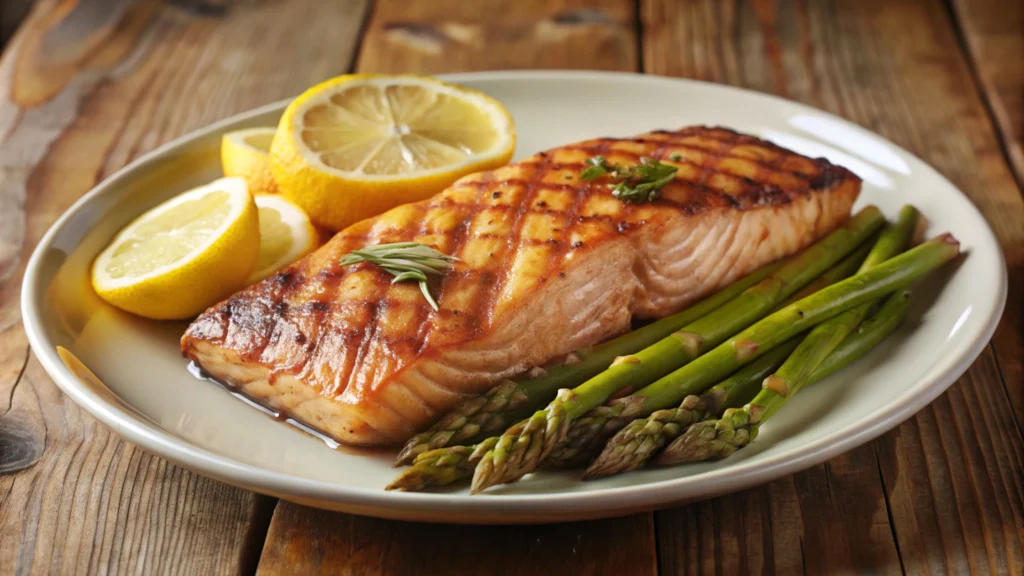
Grilled Salmon with Lemon Butter is a masterclass in coastal elegance. This refined, protein-forward dish balances rich, omega-3 oils with a sharp citrus vibrance. The goal is the “Crisp-Sear”—a technique that transforms the skin into salty, crackling parchment while keeping the interior a translucent, buttery pink. It is a celebratory meal that remains deeply rooted in the simplicity of the sea.
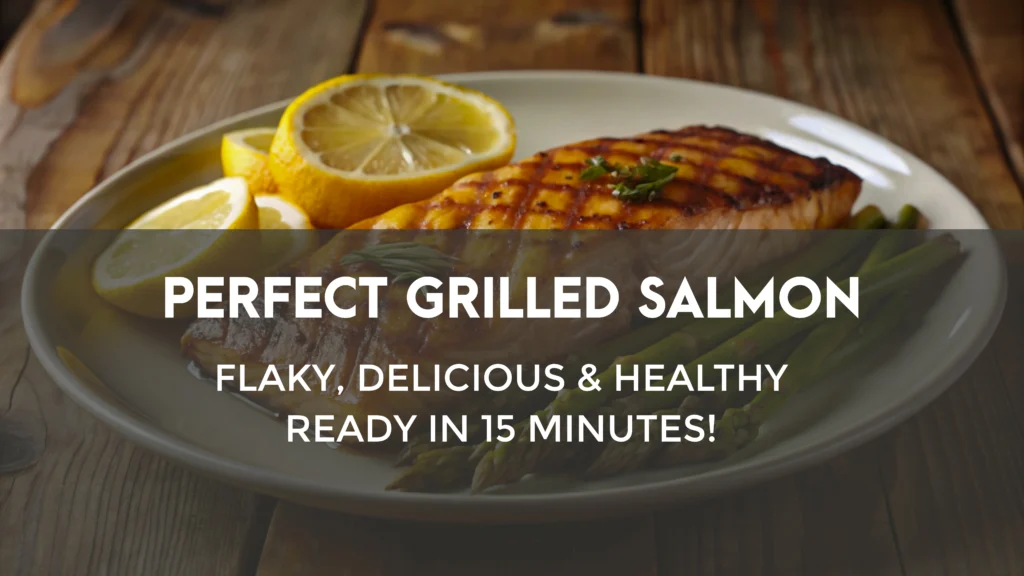
Smoky Grill Marks & Buttery Citrus Finish
To achieve Smoky Grill Marks & Buttery Citrus Finish, you must master the balance between high-heat searing and delicate emulsification. The process begins with a bone-dry protein—whether it’s a thick swordfish steak, jumbo scallops, or spatchcocked poultry—brushed lightly with a high-smoke-point oil. To get those defined, charred ridges, the grill grates must be screaming hot and meticulously cleaned. Press the food down firmly and resist the urge to move it; you want the Maillard reaction to concentrate the sugars into deep, caramelized lines that provide a bitter, smoky counterpoint to the rich interior.
Once the protein is pulled from the heat, the “Buttery Citrus Finish” acts as the brightening agent. While the meat rests, whisk together cold cubes of unsalted butter with fresh-squeezed lemon or calamansi juice and a hint of zest over low heat to create a beurre monté. This velvety emulsion coats the smoky char in a luxurious, fat-based silk that mellows the intensity of the grill. The acidity of the citrus cuts through the heavy fats, lifting the earthy flavors of the smoke and leaving the palate refreshed. This duality of “char and cream” creates a sophisticated, multi-dimensional profile that defines high-end outdoor cooking.
About me
Based in London, Taha is a professional recipe developer and food photographer. Since launching TahaCooks in 2025, he has shared his decade of culinary expertise to help home cooks master gourmet flavors. Every recipe on the site is triple-tested and designed to bring restaurant-quality results to the everyday kitchen.
How Lemon Butter Elevates Grilled Salmon
Lemon butter is the ultimate transformative finish for grilled salmon, acting as both a flavor enhancer and a structural bridge. Salmon is naturally prized for its high fat content and rich, buttery texture, but these same qualities can become overwhelming when subjected to the intense, dry heat of a grill. The introduction of a citrus-infused butter creates a necessary chemical balance. The citric acid from the lemon juice functions as a brightener, slicing through the heavy Omega-3 oils to refresh the palate, while the milk solids in the butter provide a mellow sweetness that tames the bitter, carbonized notes of the smoky grill marks.
Beyond flavor, the technique offers a professional textural advantage. When cold, emulsified butter is placed atop a resting, hot fillet, it creates a “self-saucing” glaze that seeps into the muscular flakes of the fish. This ensures the interior remains succulent even if the exterior has been aggressively seared. By adding lemon zest into the butter, you introduce essential oils that provide an aromatic lift, ensuring the “oceanic” scent of the salmon is clean rather than fishy. This combination of acid-driven brightness and fatty luxury turns a simple grilled protein into a sophisticated, multi-dimensional dish.
Tips for Juicy, Perfectly Grilled Salmon
To achieve juicy, perfectly grilled salmon, the secret lies in moisture control and the 70/30 cooking rule. Start by patting the fillets bone-dry with paper towels; any surface moisture will cause the fish to steam rather than sear, ruining the texture. Place the salmon skin-side down on a screaming-hot, oiled grate. The skin acts as a natural heat shield, protecting the delicate fats from scorching while creating a crisp, crackling base.
Cook the fish 70% of the way on the skin side until the opaque color reaches the middle. Flip only once for the final 30% to achieve smoky grill marks. Crucially, pull the salmon off the heat at 125°F (52°C) for medium-rare. Residual heat will finish the job during a 5-minute rest, preventing the “white gunk” (albumin) from leaking out and ensuring the interior remains succulent, translucent, and buttery.
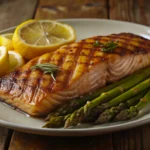
Grilled Salmon with Smoky Citrus Butter
Equipment
- 1 Outdoor Grill or Cast Iron Grill Pan Ensure grates are clean for those sharp, smoky grill marks.
- 1 Instant-Read Meat Thermometer Crucial for pulling the salmon at exactly 125℉ (52℃)
- 1 Wide Fish Spatula A thin, flexible metal spatula is best for sliding under delicate skin.
- 1 Small Saucepan Used to emulsify the butter and citrus without breaking the sauce.
- 1 Silicone Basting Brush To apply the oil and the final buttery finish evenly.
- 1 Microplane or Fine Grater For zesting the lemon to release essential aromatic oils.
- 1 Kitchen Paper Towels Essential for drying the fish surface to ensure a proper sear.
Ingredients
- 4 6oz Salmon Fillets Skin-on preferred for moisture retention and crispness.
- 2 tbsp Avocado Oil High smoke point prevents acrid flavors on the grill.
- 4 tbsp Unsalted Butter Cold cubes; used for a thick, velvety citrus emulsion.
- 1 Large Lemon Both juice (for acid) and zest (for aroma) are required.
- 1/2 tsp Smoked Paprika Enhances the "smoky" profile of the grill marks.
- 1 pinch Flaky Sea Salt Use for a final textural crunch on the seared surface.
- 1 tbsp Fresh Chives Finely minced for a bright, onion-like finish.
Instructions
- Prep & DryRemove salmon from the fridge 15 minutes before cooking. Pat the skin and flesh bone-dry with paper towels. Moisture is the enemy of a crisp sear.
- Season & OilLightly brush the fillets with avocado oil. Season with sea salt, cracked pepper, and a dust of smoked paprika. Do not salt too early, or it will draw out moisture.
- High-Heat SearPlace fillets skin-side down on a preheated, screaming-hot grill. Press lightly with a spatula to ensure full skin-to-grate contact.
- The 70/30 RuleGrill skin-side down for 6–7 minutes (70% of total time). Once the skin is crisp and releases naturally, flip gently.
- Citrus Butter FinishWhile the fish finishes on the flesh side (2–3 minutes), melt butter in a small pan. Whisk in lemon juice and zest until emulsified. Do not let it boil.
- The Perfect PullUse a thermometer to pull the salmon at 125°F (52°C). Spoon the buttery citrus finish over the hot fillets immediately.
- RestLet the fish rest for 5 minutes. The internal temperature will rise to a perfect 130°F (54°C) for a succulent, juicy center.
Notes
 Serving & Presentation
To highlight the Smoky Grill Marks & Buttery Citrus Finish, focus on contrast and texture.
- The Drizzle: Spoon the lemon butter in a narrow line down the center of the fillet. This keeps the charred edges crisp while ensuring the citrus-fat emulsion penetrates the flakes.
- Visual Pop: Serve on a dark plate to make the coral-pink salmon and bright yellow zest stand out.
- Fresh Garnish: Top with finely minced chives or a sprig of dill. The warmth of the fish will release the herbs’ aromatic oils for an instant scent-impact.
- Side Pairing: Place the fillet atop a bed of arugula or lightly sautéed asparagus to catch any run-off butter, creating an instant warm dressing.
Explore More
Golden Dippy Eggs & Crisp Soldiers
A plate of Golden Dippy…
Classic Egg Sandwich with Creamy Filling
The Classic Egg Sandwich is…
Grilled Salmon with Lemon Butter : Zest & Flame
Grilled Salmon with Lemon Butter…
Beans on Toast: The Humble Masterpiece
Beans on Toast is the…
FAQS
How do I stop the salmon from sticking to the grill?
Sticking is usually caused by two things: a cold grill or moisture. First, ensure your grates are screaming hot (the “Hiss” Test). Second, pat the salmon bone-dry with paper towels before cooking. Finally, brush the oil directly onto the fish rather than the grates; this creates a focused barrier that helps the skin “release” naturally once the crust is formed
Is it better to grill salmon with the skin on or off?
Always grill skin-on. The skin acts as a natural heat shield, protecting the delicate fats and preventing the flesh from falling apart between the grates. Even if you don’t plan on eating the skin, it is essential for moisture retention and structural integrity during the grilling process.
How do I know when the salmon is ready to flip?
The fish will tell you! If you try to flip the fillet and it resists or sticks to the grate, do not force it. Salmon naturally “releases” from the metal once the Maillard reaction (caramelization) has created a firm crust. If it sticks, give it another 30–60 seconds.