
Fluffy Scotch Pancakes, also known as drop scones, are a classic UK breakfast favorite. Soft, golden, and perfectly airy, they’re quick and easy to make at home. Serve them warm with butter, syrup, or your favorite toppings for a comforting start to the day.
TAHACOOKS
Based in London, Taha is a professional recipe developer and food photographer. Since launching TahaCooks in 2025, he has shared his decade of culinary expertise to help home cooks master gourmet flavors. Every recipe on the site is triple-tested and designed to bring restaurant-quality results to the everyday kitchen.
Fluffy Scotch Pancakes (Easy Drop Scones Recipe)
Equipment
- 1 Mixing Bowl Medium or large, for combining ingredients
- 1 Whisk or Fork For mixing batter until just combined
- 1 Measuring Cups/Spoons For accurate ingredient measurement
- 1 Sifter (optional) Helps make batter smooth and lump-free
- 1 Non-stick frying pan or griddle 20–25 cm / 8–10 inch works best
- 1 Spatula For flipping pancakes easily
- 1 Plate or tray To hold cooked pancakes before serving
- 1 Cooling rack (optional) Keeps pancakes from getting soggy
Ingredients
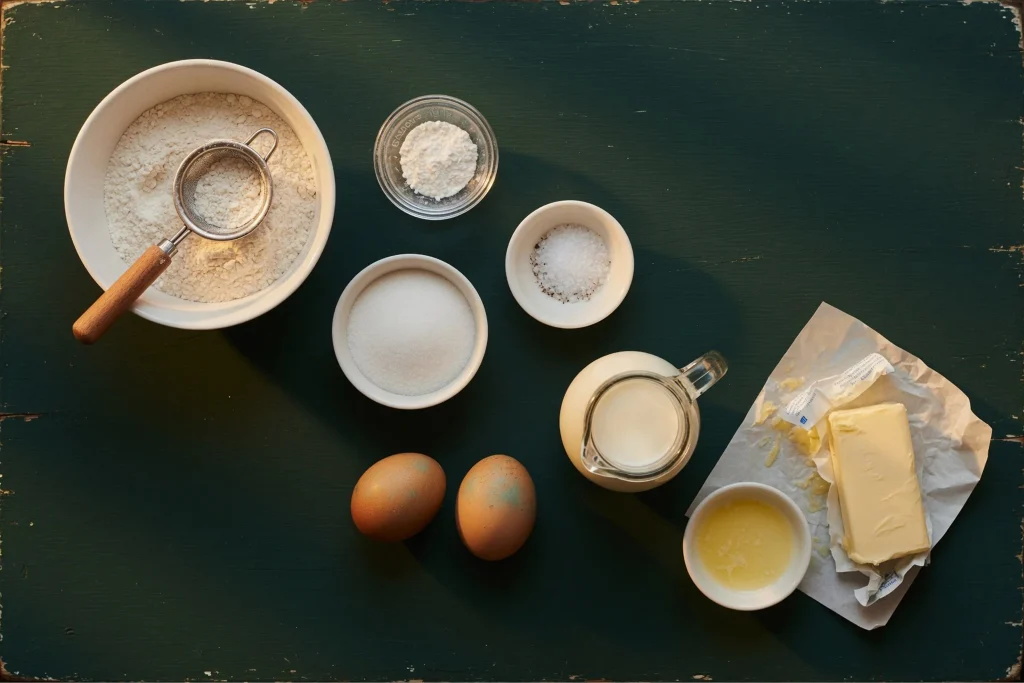
- 200 g Plain flour / All-purpose flour Sifted for a smooth batter
- 2 tsp Baking powder Ensures fluffiness
- 1 tbsp Sugar Adjust to taste
- 1 pinch Salt Enhances flavor
- 2 large Eggs Lightly beaten
- 250 ml Milk Whole milk preferred, can use plant-based
- 1 tbsp Butter Melted, plus extra for cooking or serving
Instructions
- Prepare the dry ingredients:In a large mixing bowl, sift together 200 g plain flour, 2 tsp baking powder, 1 tbsp sugar, and a pinch of salt. This ensures a smooth, lump-free batter.
- Mix the wet ingredients:In a separate bowl, lightly beat 2 large eggs and then whisk in 250 ml milk and 1 tbsp melted butter until well combined.
- Combine the batter:Pour the wet ingredients into the dry ingredients. Gently fold together with a whisk or spatula until just combined. Don’t overmix; a few small lumps are okay.
- Rest the batter:Let the batter sit for 5 minutes. This allows the baking powder to start working, giving your pancakes extra lift.
- Heat the pan:Preheat a non-stick frying pan or griddle over medium heat. Lightly grease with a small amount of butter.
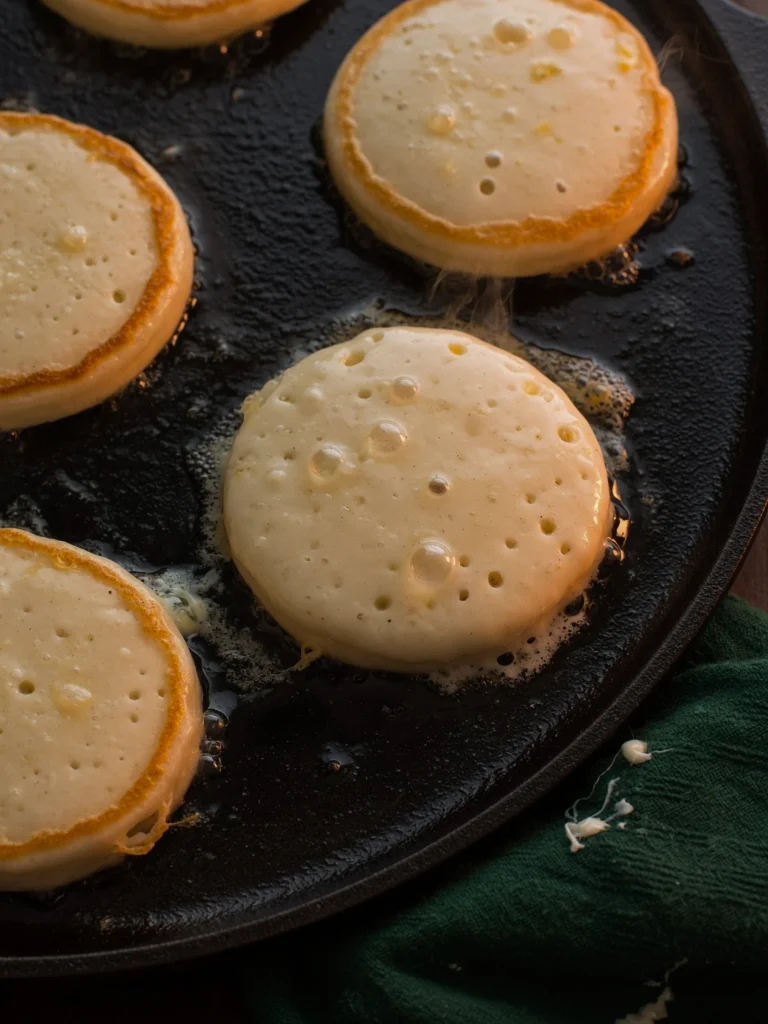
- Cook the pancakes:Pour small ladles of batter onto the pan (about 2–3 pancakes at a time depending on size). Cook for 2–3 minutes until bubbles form on the surface and the edges start to look set.
- Flip carefully:Use a spatula to flip the pancakes and cook for another 1–2 minutes until golden-brown and cooked through.
- Keep warm and serve:Place cooked pancakes on a plate or tray. Keep warm in a low oven if cooking in batches. Serve with butter, maple syrup, jam, or fresh fruit.
Notes
Serving & Presentation
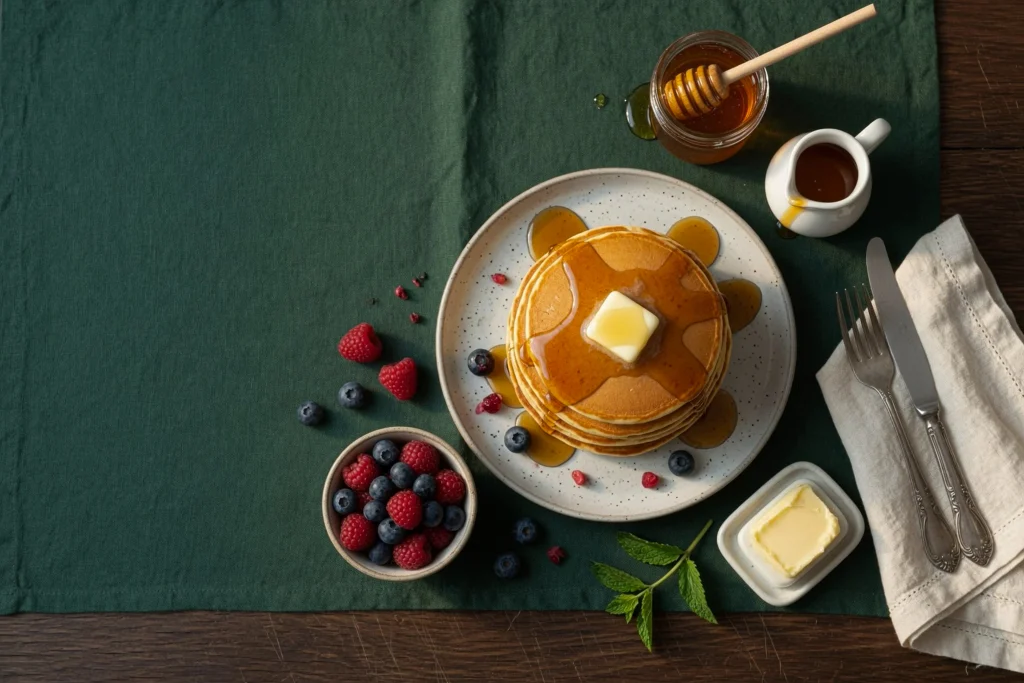
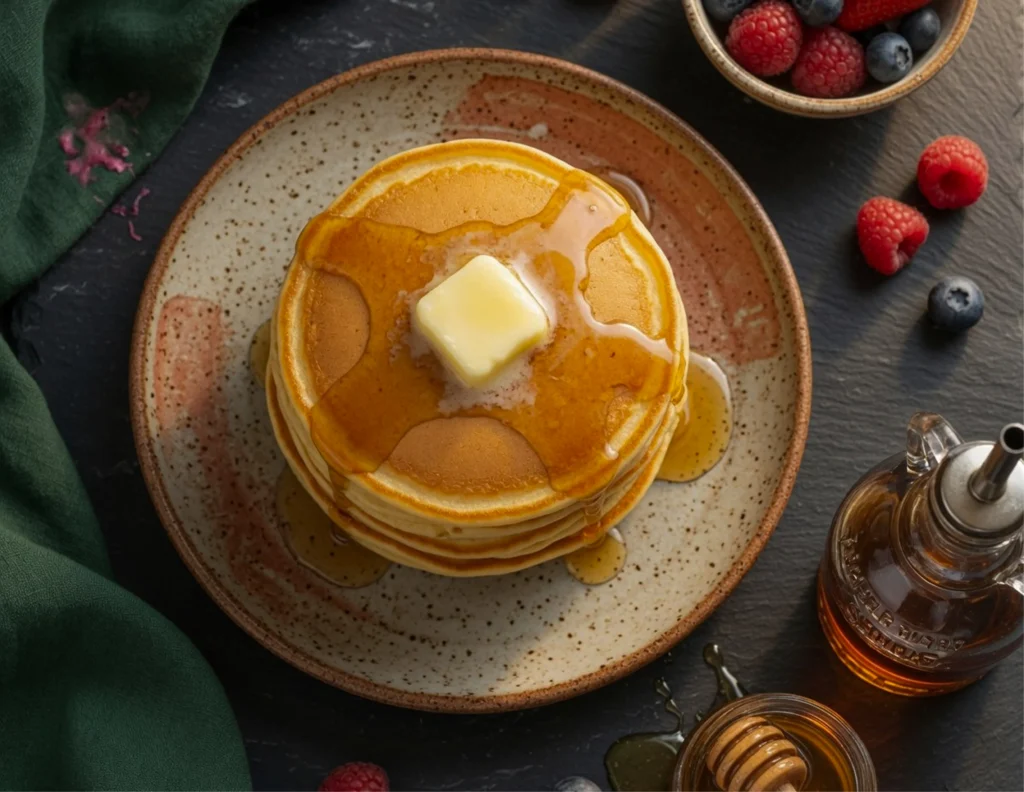
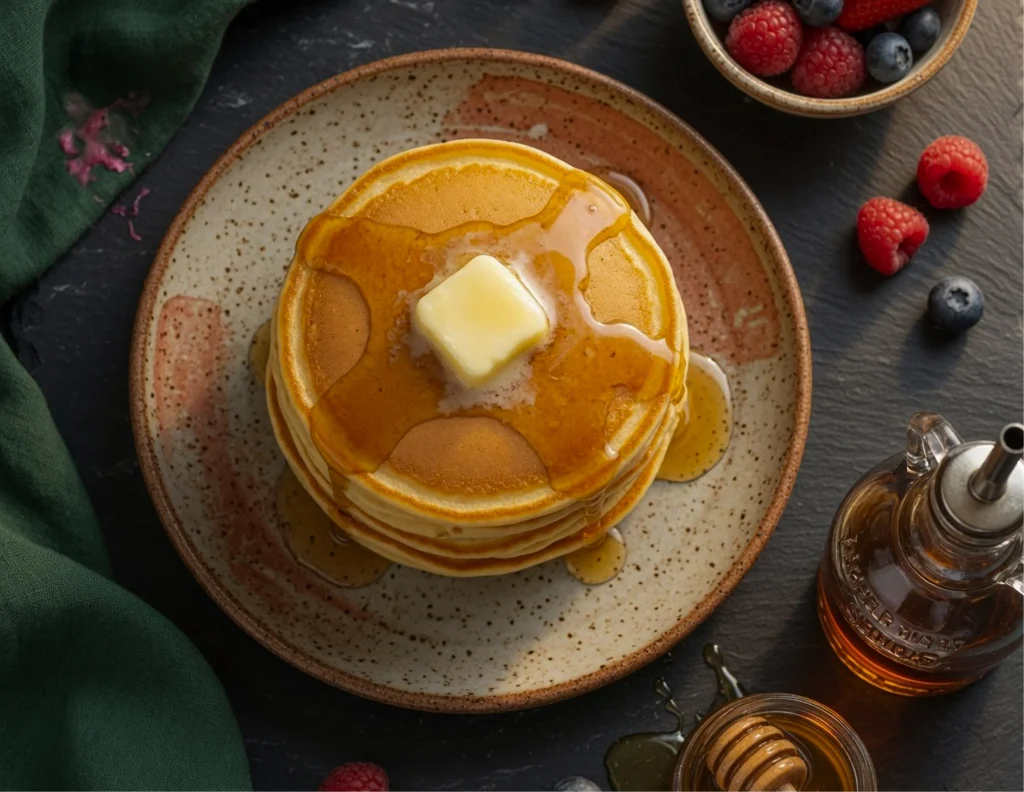
Serve your Scotch Pancakes warm, stacked in a neat pile for a classic look. Add a pat of butter on top so it melts over the golden pancakes, then drizzle with maple syrup or honey for a comforting finish. Fresh fruit like berries, banana slices, or a sprinkle of powdered sugar adds color and freshness. For a more indulgent treat, top with whipped cream or your favorite jam. Place the pancakes on a clean, simple plate to highlight their golden-brown color, and consider serving with a side of tea or coffee for the perfect breakfast or brunch experience. Using a small drizzle of syrup in a zig-zag pattern or arranging fruit neatly around the stack makes your presentation look professional while still keeping it easy and approachable for home cooking.Sunday Mornings Start With These
There’s a particular kind of chaos that happens in my kitchen on a Sunday — someone’s asking when breakfast will be ready before the pan’s even hot. Scotch pancakes are my answer to that chaos. Also called drop scones, they come together fast, use ingredients I always have on hand, and somehow manage to make a rushed morning feel a little more like an occasion. Thicker than a regular pancake, golden on the outside, soft enough in the middle that it barely needs syrup — though I never skip the syrup.
What You’ll Need
Nothing unusual here — flour, eggs, milk, a little sugar, and baking powder. There’s a good chance you already have everything in your pantry right now.
What Makes Them So Fluffy
The fluff isn’t an accident — it’s really just flour, baking powder, eggs, and milk doing exactly what they’re supposed to do, in the right order. Baking powder is the real engine here: once it hits the wet ingredients and heat, it releases tiny bubbles that push the batter upward as it cooks. Eggs help trap that air and give the whole thing a bit of richness along the way, while milk keeps things tender instead of dry. A touch of sugar isn’t just for sweetness — it’s part of why the outside browns so nicely.
The part people usually get wrong isn’t the ingredients, though — it’s the mixing. Stir the batter too much and you start developing gluten, which turns a pancake that should be light into one that’s chewy and a bit tough. Stop as soon as it’s combined, even if a few small lumps are still floating around. Those lumps disappear on the griddle; overmixing doesn’t reverse itself.
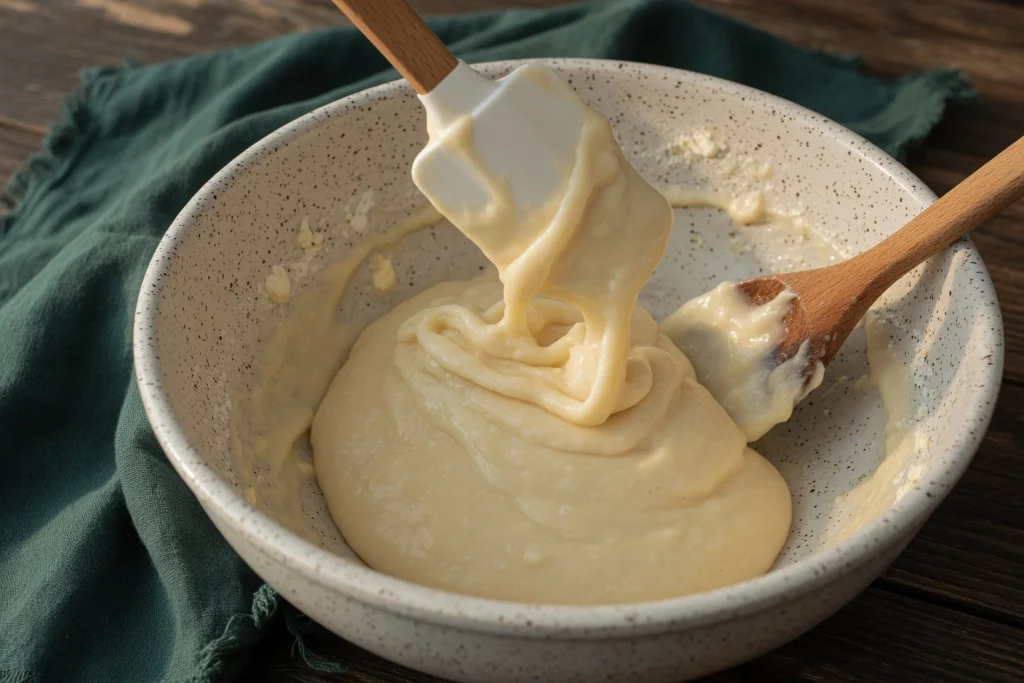
Letting the Batter Rest Actually Matters
This is the step people skip, and it’s the one I’d tell you not to. Give the batter five to ten minutes to sit before it hits the pan. It’s not just idle time — the baking powder starts working during that rest, and the ingredients settle into each other in a way that gives you a noticeably better rise once they cook. Skip it and the pancakes still work, but they won’t puff quite the same way.
Heat matters just as much. Medium, not high — high heat browns the outside before the inside’s had a chance to cook through, and you end up with a pancake that looks done and isn’t. Give it medium heat and a little patience, and you get that golden crust with a soft, cooked-through middle every time.
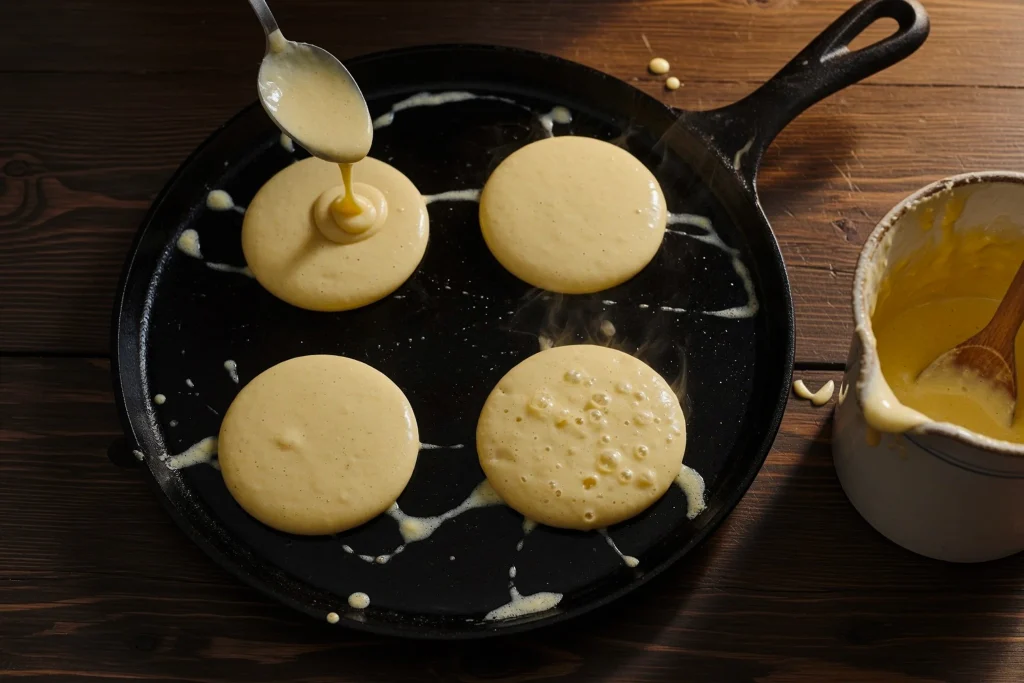
Where People Usually Go Wrong
A few things trip people up more than anything else with this recipe:
- Overmixing the batter — turns fluffy into dense, every time.
- Old baking powder — if it’s been sitting in your pantry for a year, your pancakes won’t rise the way they should. Check the date before you start.
- Cooking too hot — burnt outside, raw middle. Medium heat, no shortcuts.
- Skipping the rest — five minutes makes a real difference in how evenly they puff.
- Crowding the pan — too many at once drops the pan’s temperature and throws off the cooking.
- Guessing at measurements — too much flour or too little milk, and you’ll end up with something heavier than it should be.
- Letting them sit too long before serving — these are best eaten fresh, while they’re still warm and soft.
Avoid these and you’re most of the way to a perfect batch without needing to change anything else about the recipe.
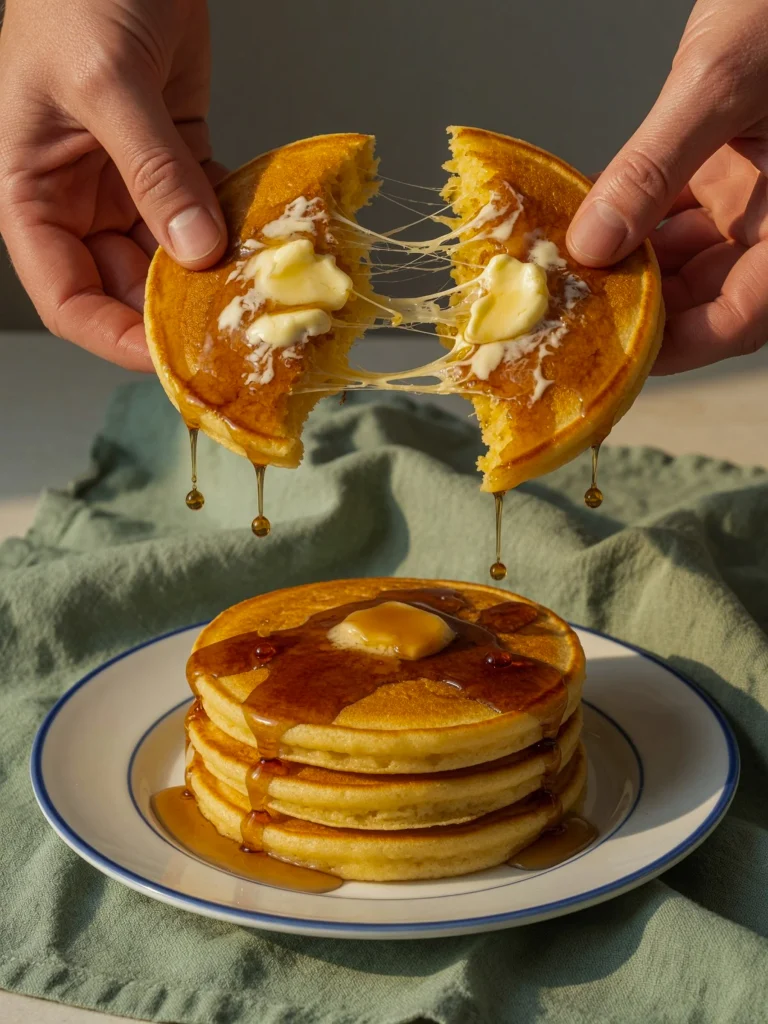
How I Like to Top Them
Butter and maple syrup is the combination I go back to more than any other — simple, but it works every time. When I want something brighter, fresh berries do the job well, or sliced banana if I want something a little sweeter without adding more sugar. On days I’m feeling a bit indulgent, a spoonful of jam or Nutella melted into a warm stack is hard to beat, and a dollop of whipped cream turns an ordinary breakfast into something that feels like it came from a café.
If you’re in the mood to experiment, honey with a scatter of nuts is a good combination, or plain yogurt with fresh fruit if you want something a little lighter. Even a simple dusting of powdered sugar can make a plain stack feel a bit more finished. There’s really no wrong way to top these — it depends entirely on what kind of morning you’re having. If you want to dress breakfast up even further, my Heritage Lace British Pancakes is a good next recipe to try.