
The Classic Egg Sandwich The Classic Egg Sandwich is a masterclass in morning simplicity, a reliable staple that bridges the gap between home-cooked comfort and deli-style efficiency. Its soul lies in the “Marbled Fold”—the process of gently swirling eggs in a pan until the whites and yolks are streaked together but not fully unified. This creates a cushion of varying textures, encased in a toasted brioche or a soft English muffin, and finished with a molten layer of sharp cheddar.
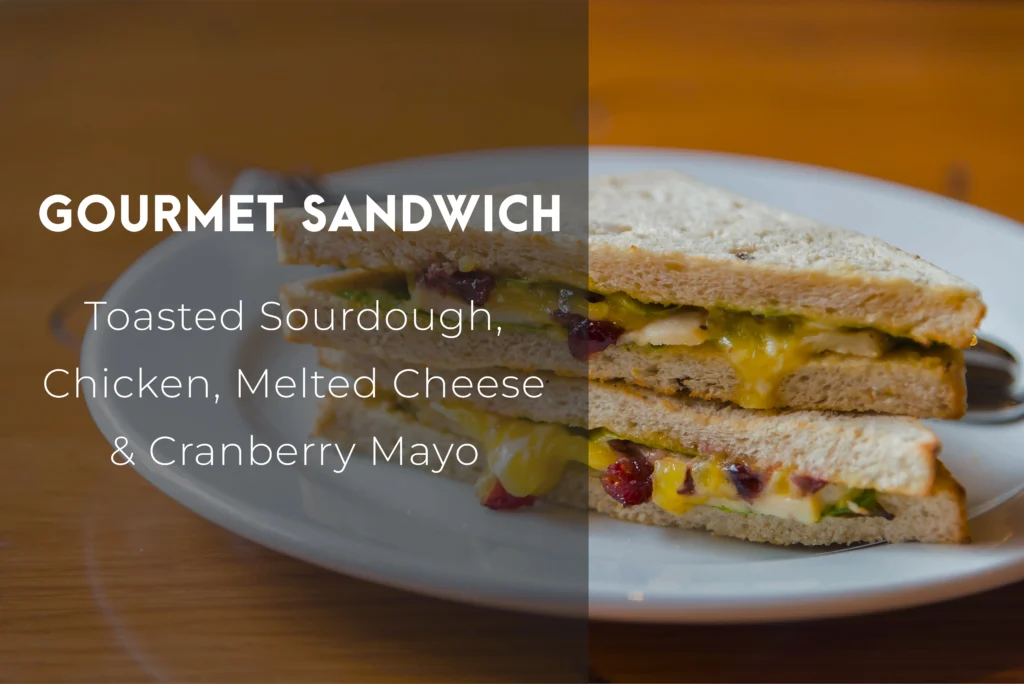
Soft Eggs & Comforting Bite
The Classic Egg Sandwich is an exercise in “pillowy” textures. Unlike the formal structure of a Benedict, this sandwich is built for the ultimate squish factor. The goal is a seamless transition from the airy bread to the custardy center, creating a singular, unified bite that feels like a warm embrace.
The secret lies in the low-and-slow scramble. By whisking the eggs with a touch of heavy cream and folding them over gentle heat, you create “velvet ribbons” rather than dry curds. These soft folds trap steam, keeping the sandwich moist without the need for excessive condiments.
The choice of vessel is equally vital. A buttery brioche bun or toasted milk bread provides the necessary sweetness to counter the savory salt of the eggs. When topped with a slice of sharp American or cheddar cheese, the residual heat from the eggs creates a molten “glue” that binds the layers together. For a professional finish, wrap the finished sandwich in parchment paper for one minute; this allows the bread to slightly steam and soften, ensuring that first comforting, effortless bite where the eggs practically melt away.
About me
Based in London, Taha is a professional recipe developer and food photographer. Since launching TahaCooks in 2025, he has shared his decade of culinary expertise to help home cooks master gourmet flavors. Every recipe on the site is triple-tested and designed to bring restaurant-quality results to the everyday kitchen.
Techniques for a Creamy Filling
To achieve that signature “melt-in-your-mouth” texture for an egg sandwich, focus on these three professional pillars:
- The Emulsion Fold: Whisk your eggs with a teaspoon of cold heavy cream or a knob of crème fraîche before they hit the pan. This introduces fat molecules that coat the egg proteins, preventing them from bonding too tightly (which causes rubberiness) and ensuring a custard-like finish.
- Residual Heat Management: Remove the pan from the heat when the eggs look 80% cooked (still slightly “wet”). The thermal mass of the eggs will finish the cooking on the plate. If they look done in the pan, they will be dry on the sandwich.
- The Cold-Butter Start: Start your scramble in a cold non-stick pan with a tablespoon of cold butter. As the pan heats up gradually, the butter and eggs emulsify together, creating a filling that is thick, glossy, and incredibly creamy rather than a collection of separate curds.
Serve & Switch It Up
Presentation is all about the “Cross-Section.” For a professional look, wrap the sandwich tightly in parchment paper for one minute to let the layers bond, then slice through the center with a serrated knife. This reveals the vibrant, jammy interior while making it easier to handle. Always serve on a warmed plate to ensure the creamy center stays luscious until the last bite.
To keep it fresh, try these quick “Switch Ups”:
- The Bodega: Use a crusty Kaiser roll, add crispy Beef, and a “SPK” (salt, pepper, ketchup) finish.
- The Green Goddess: Add sliced avocado, sprouts, and a smear of pesto for a bright, earthy profile.
- The Midnight Heat: Incorporate chili crisp into the eggs and use sharp pepper jack cheese for a spicy, textured kick.
The Ultimate Soft-Egg Morning Sandwich
Equipment
- 1 Non-Stick Skillet Crucial for the soft-scramble; prevents the delicate eggs from tearing or sticking.
- 1 Fine-Mesh Sieve (Optional but Recommended) To strain the eggs for that ultra-uniform, silky texture.
- 1 Silicone Spatula Allows for gentle folding of the curds without scratching the pan.
- 1 Small Whisk To thoroughly incorporate air and cream into the eggs before cooking.
- 1 Parchment Paper For the "Steam Wrap" technique to soften the bun before serving.
Ingredients
- 2 Large Eggs Pasture-raised or organic for the richest flavor and color.
- 1 Whole Brioche Bun Split and toasted; can substitute with a Kaiser roll.
- 1 Tbsp Unsalted Butter European-style butter (higher fat) yields a creamier result.
- 1 Tsp Heavy Cream Or crème fraîche; helps prevent the eggs from drying out.
- 1 Slice Sharp Cheddar Or American cheese for a smoother, classic melt.
- 1 Pinch Kosher Salt Add only at the end of the cooking process.
- To taste N/A Fresh Chives Finely minced for a bright, oniony garnish.
- 1 Tsp Japanese Mayo Optional; spread on the bun as a moisture barrier.
Instructions
- Prep the Eggsz Whisk the eggs with the heavy cream in a small bowl. For a professional, silky texture, pour the mixture through a fine-mesh sieve to remove any stray chalazae.
- Toast the Bun: Melt a small knob of butter in your non-stick skillet over medium heat. Toast only the cut side of the brioche bun until golden brown. Remove and set aside.
- Start the Scramble: Wipe the skillet clean and add the remaining tablespoon of butter. Turn the heat to low. Pour in the eggs.
- The Fold: Using a silicone spatula, move the eggs constantly. Use the 30/10 Rule: 30 seconds on the heat, 10 seconds off. Fold gently until you see soft, "velvet ribbons."
- The Melt: While the eggs are still slightly wet (80% cooked), place the cheese slice on the bottom bun. Immediately top with the hot eggs to trigger the melt.
- Season and Close: Season with kosher salt and minced chives. Close the sandwich and wrap it tightly in parchment paper.
- The Steam Rest: Let the sandwich sit for 60 seconds. This allows the bun to soften slightly and the flavors to unify before slicing.
Notes
Serving & Presentation
To elevate this from a simple breakfast to a bistro-quality experience, focus on the reveal.- The Parchment Wrap: Wrap the sandwich tightly in parchment paper and let it sit for 60 seconds. This creates a “steam chamber” that softens the bun and fuses the cheese to the eggs.
- The Clean Cut: Use a sharp serrated knife to slice through the paper and sandwich at a slight diagonal. This displays the “gold” interior without compressing the fluffy eggs.
- The Plate: Serve on a warm plate with the two halves slightly offset to show off the layered textures.
- Garnish: Add a final sprinkle of flaky sea salt and a few fresh chives on the exposed egg cross-section for a pop of color and crunch.
Explore More
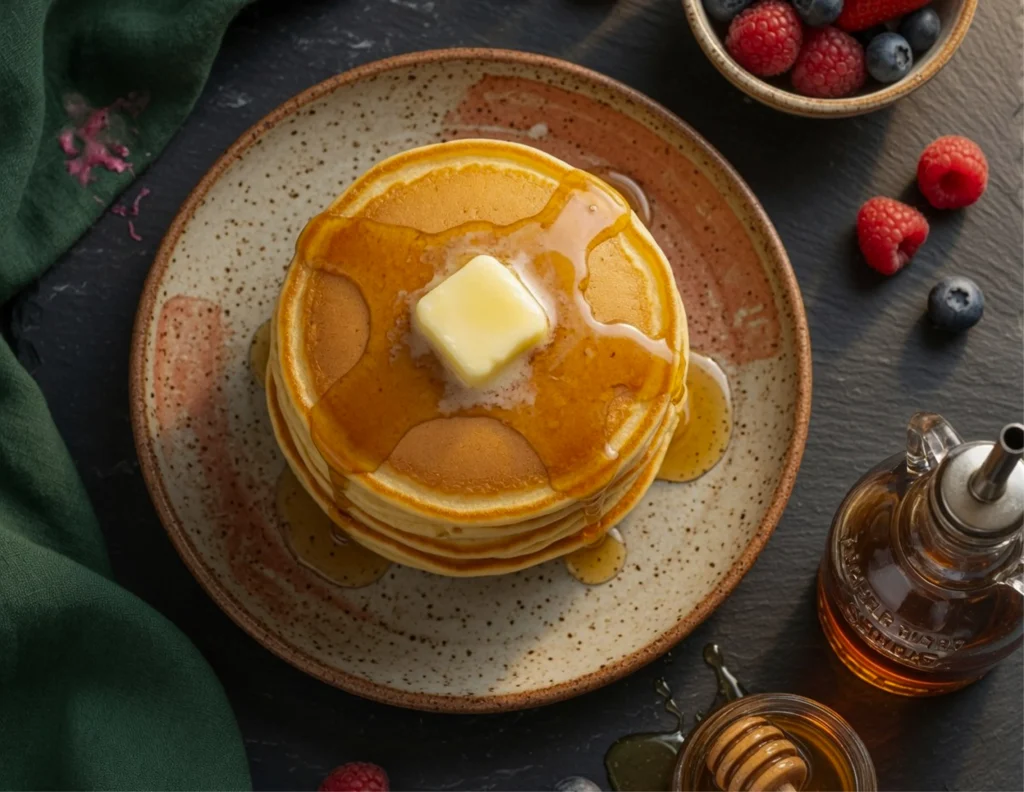
Fluffy Scotch Pancakes (Easy Drop Scones Recipe)
Fluffy Scotch Pancakes, also known…
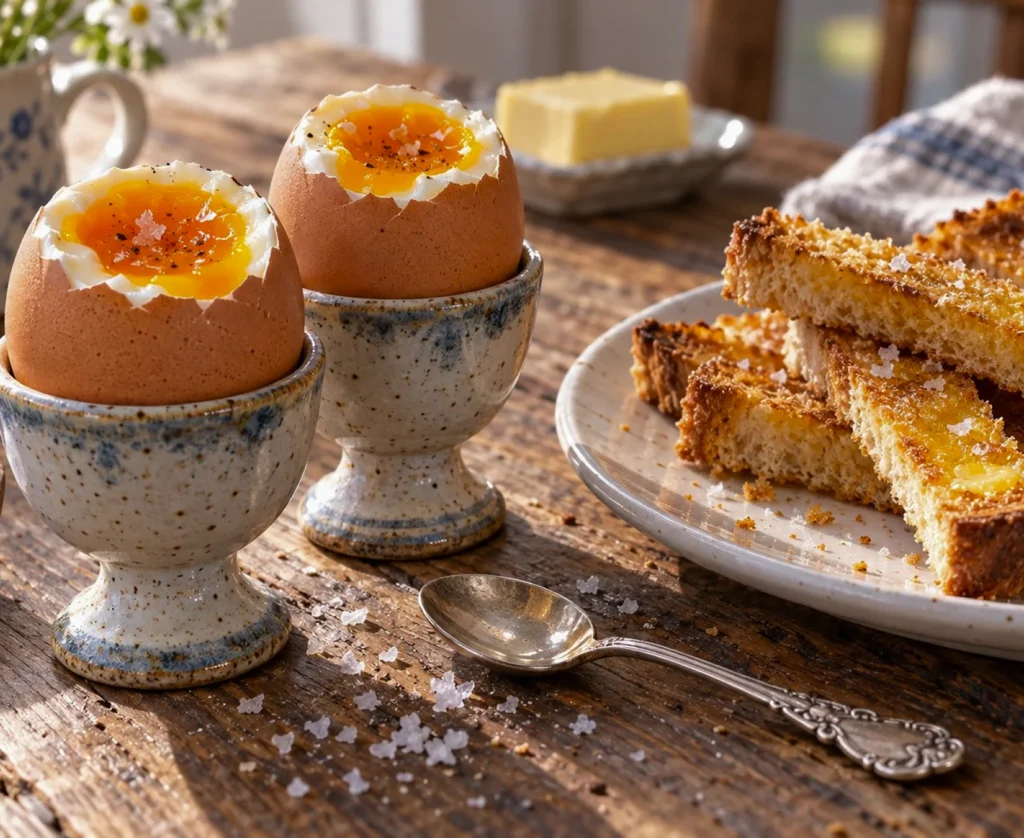
Golden Dippy Eggs & Crisp Soldiers
Soft-boiled eggs with a runny…
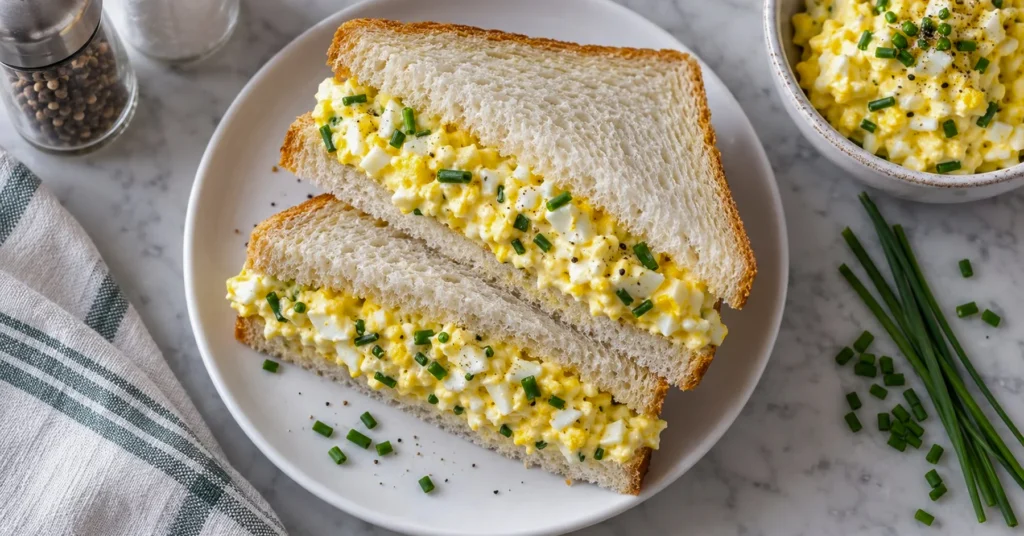
Classic Egg Sandwich with Creamy Filling
Soft bread, a light and…
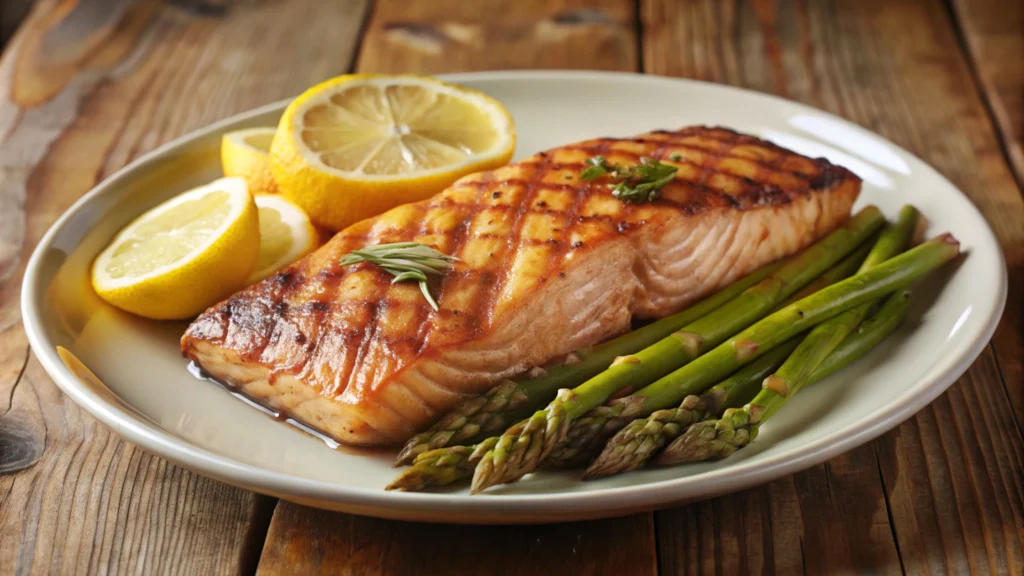
Grilled Salmon with Lemon Butter : Zest & Flame
Grilled Salmon with Lemon Butter…
FAQS
Why should I start the eggs in a cold pan?
The Cold-Butter Start allows the eggs and butter to heat up simultaneously. As the butter melts, it emulsifies into the eggs, creating a thick, glossy, and custardy filling. If you drop eggs into a screaming-hot pan, the proteins seize instantly, resulting in bouncy, rubbery curds rather than “velvet ribbons.”
Why do you recommend wrapping the sandwich in parchment paper?
This is a professional deli secret. Wrapping the sandwich for 60 seconds creates a localized steam environment. This slightly softens the crust of the bread and ensures the cheese fully melts into a molten “glue,” unifying the eggs and the bun into one cohesive, pillowy bite.
Can I use milk instead of heavy cream?
You can, but heavy cream or crème fraîche is preferred. The higher fat content in cream coats the egg proteins more effectively, preventing them from bonding too tightly. This is what ensures the interior remains “jammy” and luscious rather than weeping liquid like milk-based eggs often do.
Why shouldn’t I salt the eggs before they hit the pan?
Taha recommends seasoning late. Salting raw eggs can break down the protein structures prematurely, which may cause the eggs to release moisture (weep) during the cooking process. Salting at the very end keeps the eggs fluffy and prevents a soggy sandwich.